Why Older Solar Systems Underperform in Australia (And What You Can Do About It)
Australia is the rooftop solar capital of the world, with more than 4.3 million solar systems installed nationwide. But here’s the uncomfortable truth:
Nearly half of those systems are now over 10 years old — and many are no longer performing anywhere near their original output.
If you still have a 3kW solar system from 2010–2012 and you’re wondering why your power bills are climbing, you’re not alone.
After inspecting ageing systems across Sydney’s West with Solar Service Guys, we uncovered a pattern of problems that explain why older solar systems often underperform — and in some cases, stop working altogether.
Let’s break it down.
1. Dirt, Lichen & Organic Growth: The Silent Output Killer
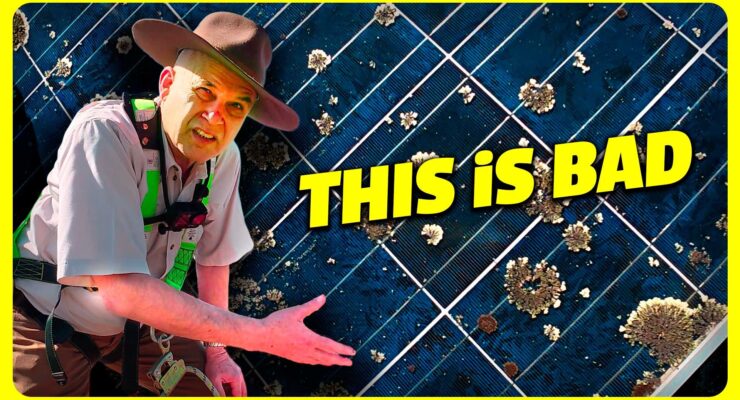
One of the first systems we inspected was a 3kW solar system installed in 2011. The owner hadn’t had it checked in over a decade.
The panels were completely covered in lichen.
Why this matters:
Lichen blocks sunlight from reaching the cells
Shading causes disproportionate energy losses
Moisture retention can accelerate panel degradation
Heavy buildup may void the panel warranty
Even if you clean panels without treating the root cause, lichen often returns quickly. Solar panel cleaning in Australia isn’t cosmetic — it directly impacts solar output and system lifespan.
2. Back Sheet Deterioration & Early Warranty Limitations
Older panels (especially pre-2013 models) often had:
10-year product warranties
Lower efficiency ratings (200W–250W panels were common)
We observed cracking and deterioration in the rear back sheet of older modules — a known issue in early-generation panels.
Today’s modern panels:
Commonly range from 440W to 500W+
Have 15–25 year product warranties
Offer far superior degradation rates
A 3kW system made sense in 2011 when feed-in tariffs were 60 cents per kWh. In 2025? It’s undersized — especially if you’ve added:
Air conditioning
Induction cooking
A battery
An EV charger
3. Dangerous Solar Installation Faults (Common in Early Systems)
On a second property, we found multiple compliance and safety issues:
- No deck-tite cable penetrations – Cables pushed directly under roof tiles, increasing leak risk.
- No earthing – Earthing wasn’t mandatory in the earliest years of solar installs.
- Plastic cable ties – UV exposure makes them brittle. They snap, fall into gutters, and can cause drainage blockages.
- Missing end clamps – Panels improperly secured — a wind risk.
Back in the early solar boom, installation standards were still evolving. What passed compliance then may not meet best practice today.
4. Failed Inverters & Water-Damaged Isolators
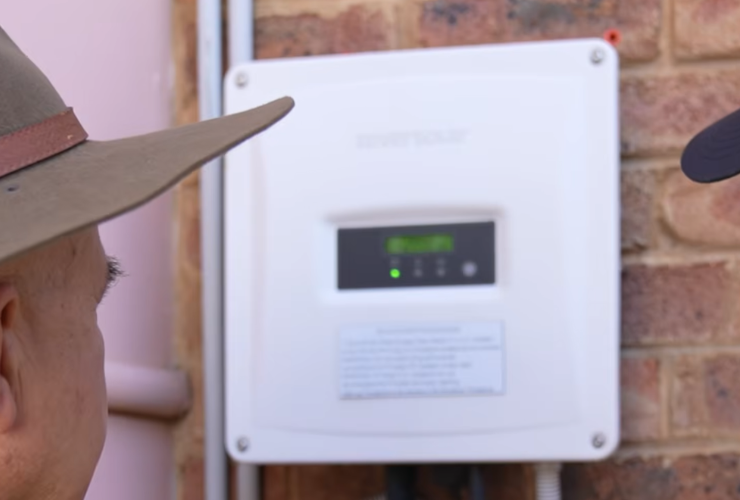
The most serious issue? A failed DC isolator with clear water ingress.
Symptoms included:
No DC voltage reaching the inverter
Silicon-sealed penetrations cracked over time
Unsealed screw holes allow moisture entry
The inverter brand had already exited Australia.
- No parts.
- No warranty.
- No support.
The system had likely been offline for months — possibly years — without the family knowing. And they were still paying $600 quarterly bills.
Why Older Solar Systems Often Underperform
Here are the most common reasons:
- Degradation: Panels lose output over time. Early-generation modules degrade faster.
- Undersized Systems: 3kW was standard in 2011. Today’s homes often require 8kW–13kW.
- Inverter Failure: Inverters typically last 8–12 years.
- Installation Standards Have Changed: Earthing, labelling, cable routing and fire ratings have improved significantly.
- No Maintenance: Solar isn’t “set and forget.”
The Seatbelt Analogy: Solar Has Evolved
Think about cars 30 years ago.
- No ABS.
- No airbags.
- No modern safety ratings.
They met the standards of the time. Solar is the same.
Today’s systems feature:
Smarter inverters
Battery-ready configurations
Improved fire safety standards
Better mounting hardware
Older systems aren’t necessarily “bad.” But they may no longer be optimal — or safe.
Should You Repair or Replace an Old Solar System?
It depends on:
How long you plan to stay in the home
Condition of panels
Inverter brand support
Cost comparison (repair vs full replacement)
Future plans (battery, EV, electrification)
In some cases: Replacing the inverter and isolator may restore performance.
In others: A full solar system upgrade offers a stronger ROI.
Why Solar Inspections Matter in Australia
Professional solar inspections help identify:
Underperforming strings
Safety risks
Earthing faults
Moisture ingress
Warranty opportunities
Oversizing potential
Companies like Solar Service Guys act like specialist mechanics for your PV system. They don’t sell new systems. They diagnose, test and restore. That independent assessment is critical.