
Fast read
Most solar panels in Australia require very little cleaning because rain removes much of the dust and debris. However, bird droppings, salt spray and heavy dust can reduce solar performance over time. Panels can be safely rinsed from the ground using a garden hose and a soft brush on an extendable pole. If panels cannot be safely reached, a professional cleaning service is the safest option.
Do Solar Panels Actually Need Cleaning?
In many parts of Australia, solar panels stay relatively clean because regular rainfall helps wash away dust and debris. For most homes, this natural cleaning process is often enough to maintain good performance.
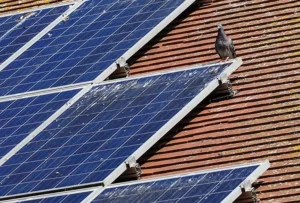
However, certain conditions can cause dirt to build up more quickly. Bird droppings, coastal salt spray, pollution or fine dust can accumulate on the glass surface and reduce how much sunlight reaches the solar cells.
If you notice a gradual drop in solar production on clear sunny days, it may be worth checking whether dirt or debris is affecting your system.
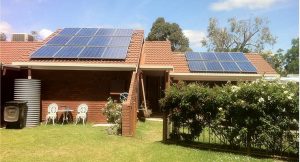
How Can You Tell If Your Panels Need Cleaning?
The easiest way to identify potential issues is by checking your solar monitoring app. If your system is producing less electricity than expected despite clear weather conditions, dirt accumulation may be a possible cause.
A visual inspection from the ground can also reveal problems. You may be able to see obvious build-up such as dust layers, bird droppings or lichen growth.
Panels installed at very low angles sometimes collect more dirt because rainwater runs off less effectively. In these cases, occasional cleaning can help restore normal performance.
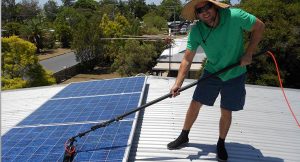
What Is the Safest Way to Clean Solar Panels?
Safety should always come first. Solar panels should only be cleaned if they can be reached safely from the ground using appropriate tools.
The recommended approach is simple:
1. Turn off the solar system before cleaning
2. Use a standard garden hose to gently rinse the panels
3. Remove stubborn dirt using a soft brush on an extendable pole
4. Rinse the panels again with clean water
Cleaning should ideally be done early in the morning or on a cool, overcast day. Spraying cold water onto hot panels in the middle of the day can sometimes cause thermal stress and leave streaks as water evaporates quickly.
When Should You Call a Professional?
Not every solar system can be safely cleaned from the ground. Homes with steep roofs, multi-storey buildings or hard-to-reach panels present significant safety risks.
Climbing onto the roof without proper equipment is one of the most common mistakes homeowners make. Wet roof surfaces can be extremely slippery and dangerous.
High-pressure cleaners should also be avoided because they can force water into the panel seals and damage the system. When panels cannot be safely reached from the ground, the safest option is to hire a professional solar cleaning service with the correct safety equipment.