
Fast read
Solar inverters typically last between 10 and 15 years, making them one of the first components in a solar system that may require replacement. Warning signs of a failing inverter include reduced energy production, unusual noises, error messages and frequent shutdowns. Upgrading can also be beneficial when expanding a solar system or preparing for battery storage, but homeowners should check feed-in tariff rules before making changes.
How Long Do Solar Inverters Typically Last?
The inverter is one of the most important components in a solar system because it converts electricity from the solar panels into usable power for the home. While solar panels can last 25 years or more, inverters generally have a shorter lifespan.
Most standard string inverters in Australia last between 10 and 15 years. If your solar system is approaching this age, it is worth paying closer attention to how the inverter is performing.
As inverters age, their efficiency can decline and internal components may begin to fail. Monitoring system performance regularly can help identify potential problems early.
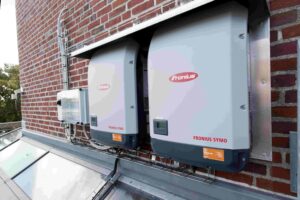
What Are the Warning Signs of a Failing Inverter?
A failing inverter often shows clear warning signs before it stops working completely. One of the most noticeable indicators is a sudden or gradual drop in solar energy production on sunny days.
Other signs may include unusual noises such as buzzing or clicking, error messages on the display or warning lights appearing on the unit. Some systems may also experience repeated shutdowns or tripping, particularly during hot weather when the inverter is working hardest.
If any of these symptoms appear, it is usually a good idea to contact a solar technician or the original installer to investigate the issue.
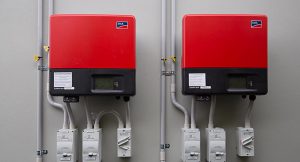
When Should You Upgrade Even if the Inverter Still Works?
Even if an inverter is functioning normally, there are situations where upgrading can make sense. One of the most common reasons is changing household energy needs.
Homes that add major electrical loads such as electric vehicles, pool pumps or additional air conditioning may need more solar capacity than the original inverter was designed to handle. Upgrading can allow the system to support additional solar panels or improved performance.
Another important reason is battery readiness. Many older solar systems use inverters that cannot integrate directly with modern battery systems. Replacing the inverter with a hybrid model can make future battery installation easier and more efficient.
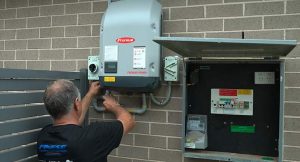
Are There Any Risks When Upgrading an Inverter?
In most cases upgrading an inverter is straightforward, but there are some factors to consider before making changes to an existing solar system.
One important issue involves electricity feed-in tariffs. Some older solar systems receive premium feed-in rates that may be affected if the system configuration is modified.
Before upgrading an inverter, it is wise to check with your electricity retailer to confirm whether any changes could impact existing tariff agreements. Understanding these conditions ensures that homeowners do not accidentally lose valuable benefits.