Why This 81 kW Commercial Solar System Generated Zero Power
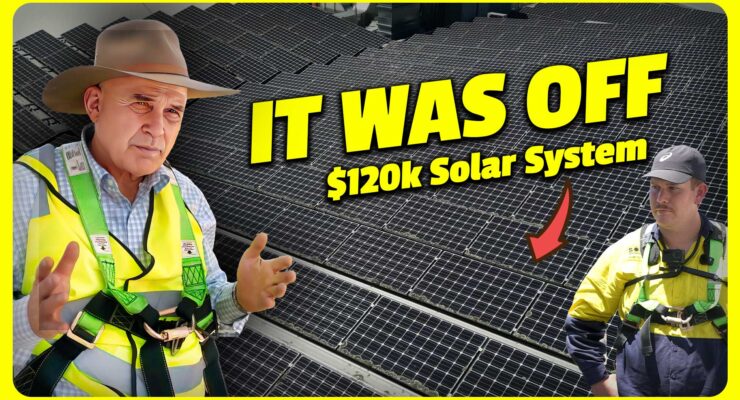
When a commercial solar system stops working, most owners assume there’s been a major equipment failure. But what if the system itself isn’t broken at all? That’s exactly what we discovered during a recent inspection of an 81 kW commercial solar system that had stopped producing electricity entirely — silently costing the business more than $30,000 per year in lost savings.
And the reason it stopped working might surprise you.
The Hidden Risk Facing Older Commercial Solar Systems
Across Australia, thousands of commercial solar systems installed more than a decade ago are now entering a critical stage of their lifecycle. Many of these systems:
- haven’t been inspected in years
- haven’t been cleaned properly
- have outdated monitoring
- were installed before today’s safety standards existed
- rely on switches nobody clearly labelled
That combination creates the perfect conditions for silent performance failure. In this case, the system wasn’t damaged. It was simply switched off.
The First Warning Signs on the Roof
When the inspection began, several issues were immediately visible:
1. Panel backsheet deterioration
Some of the LG 300 W modules showed early signs of backsheet failure — a known issue with certain panel generations. This matters because:
- moisture can enter the panel
- insulation resistance drops
- hotspots form
- fire risk increases
- output declines gradually
These failures rarely happen suddenly. They develop slowly over years.
2. Severe lichen buildup reducing performance
The array showed heavy biological growth across sections of the system. Lichen can:
- block sunlight
- create permanent hotspots
- accelerate panel ageing
- reduce output dramatically
And importantly, lichen doesn’t appear overnight. It builds gradually, often without the owner noticing any obvious warning signs.
3. Panel row spacing caused long-term shading issues
Originally, the system had been designed to maximise roof space usage. But that created a maintenance problem years later.
Panels installed too close together allowed:
- afternoon shading
- persistent moisture zones
- accelerated lichen growth
- uneven degradation across strings
This is a classic example of how early design decisions can affect performance years later.
The Inverter Bay Revealed a Bigger Problem
On inspection, every inverter showed a fault light. Even worse:
- inverter screens were sun-damaged
- monitoring systems had no power
- circuit breakers were off
- the Solar Analytics monitoring unit was inactive
- the SMA monitoring system was offline
That meant the system had no ability to alert the owner that production had stopped. Without monitoring, failures can remain hidden for years.
Bird Nests in the Cable Trays Created Fire Risk
During the inspection, technicians discovered birds nesting inside the cable trays. This isn’t uncommon on commercial sites.
Bird activity can:
- damage insulation
- expose wiring
- cause insulation resistance faults
- increase fire risk
- trigger inverter shutdowns
Cable tray inspections are a critical part of long-term commercial solar maintenance — but they’re often overlooked.
The Real Reason the System Stopped Working
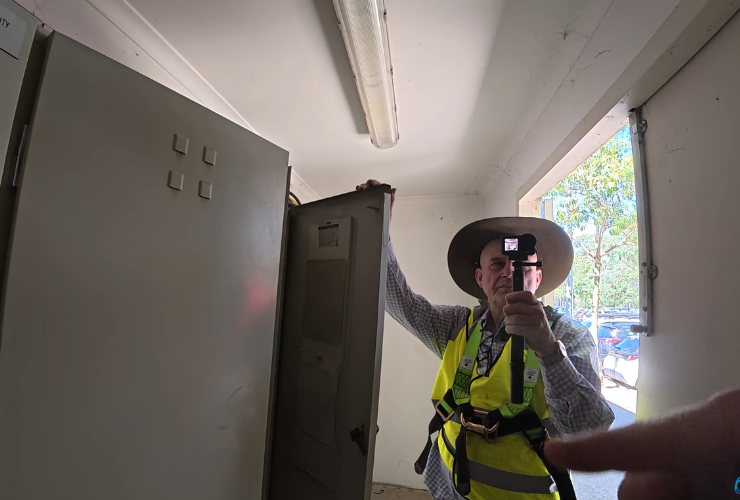
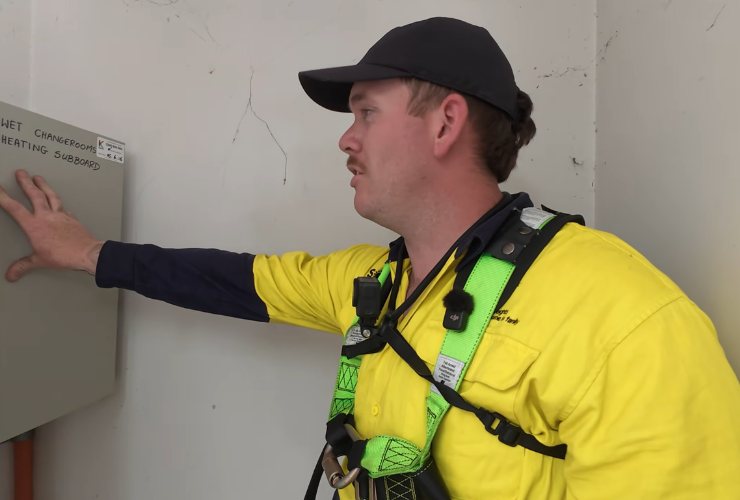
After tracing the electrical supply path through multiple switchboards, the team finally located the issue. A solar supply main switch had been turned off. And nobody knew why.
Eventually, site records revealed the likely explanation: An air-conditioning maintenance crew had turned the solar system off for safety while working nearby — and never turned it back on again.
The system remained off for four years.
- No alarms triggered.
- No monitoring alerts appeared.
- No one noticed.
Meanwhile, the business lost around $30,000 per year in electricity savings.
Why This Happens More Often Than You Think
This scenario is surprisingly common on commercial sites. Typical causes include:
- maintenance contractors switching systems off temporarily
- unclear switchboard labelling
- monitoring systems losing power
- tripped breakers never reset
- inverter faults ignored
- safety isolators deteriorating
- cable ties failing in UV exposure
Without scheduled inspections, problems like these can remain hidden indefinitely.
Other Safety Issues Found During the Inspection
Even after restoring power, several compliance concerns remained:
- UV-damaged plastic cable ties
- inaccessible rooftop isolators
- panels installed too close to roof edges
- poor switchboard labelling
- uncertified tilt-frame mounting hardware
Many of these installation approaches were common ten years ago — but wouldn’t meet current standards today. And that’s exactly why older commercial systems benefit from periodic technical audits.
Why Commercial Solar Systems Need Regular Servicing
A commercial solar system is infrastructure, just like a vehicle or HVAC system. It requires maintenance to perform properly.
If your system is:
- 6+ years old
- producing less energy than expected
- showing inverter faults
- experiencing rising electricity bills
- lacking monitoring alerts
- never professionally inspected
then it’s time for a system health check.
Independent inspection specialists like Solar Service Guys focus purely on diagnosing performance and safety issues — without selling replacement systems unnecessarily. That means owners get clear answers about:
- whether the system is working properly
- whether faults exist
- whether repairs are worthwhile
- or whether upgrades make more financial sense
The Bottom Line for Commercial Solar Owners
This site wasn’t unusual.
- It wasn’t damaged.
- It wasn’t defective.
- It was simply switched off — and nobody knew.
That single oversight cost the owner roughly $120,000 in lost savings over four years. If your commercial solar system hasn’t been checked recently, it might be time to ask one simple question:
Is it still working as well as you think it is? Because sometimes the biggest solar problems are the ones nobody sees.