
Is This the Beginning of the End for Petrol Cars in Australia?
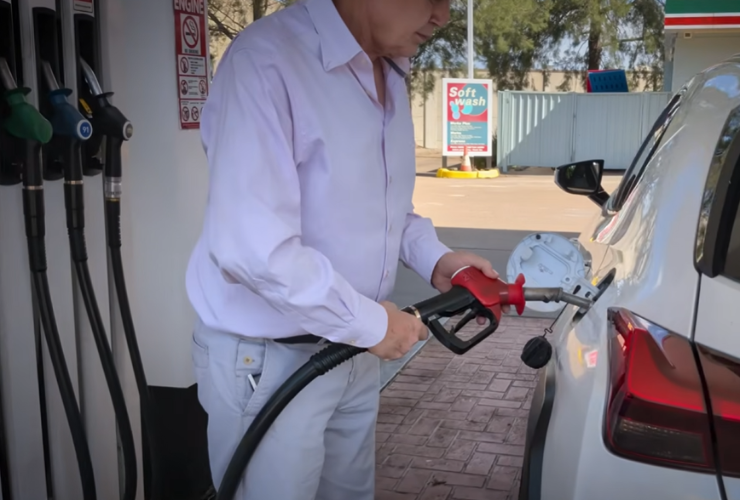
Australians are paying more than ever for petrol, and global oil supply disruptions are reminding drivers just how exposed we are to international politics. If you’ve recently spent $140 or more to fill a tank, you’re not alone—and the pressure may continue for years.
But something important is changing in 2026.
Electric vehicles (EVs) are no longer just about environmental concerns. Increasingly, they’re becoming a practical financial decision—and for many households, a path to energy independence.
So what’s really happening to petrol prices, and why are more Australians starting to switch?
Why Petrol Prices in Australia Are So Vulnerable
Australia imports most of its liquid fuel. That means global conflicts, shipping disruptions, and geopolitical tensions directly affect what you pay at the bowser.
For example:
- Around 20% of the world’s oil supply passes through the Strait of Hormuz
- Any disruption there sends global markets into panic
- Australian drivers feel the impact almost immediately
When you drive a petrol or diesel vehicle, you’re effectively tied to global oil markets—and global instability.
That’s the hidden cost of petrol ownership most drivers don’t think about.
We’ve Seen Oil Crises Before – But This Time Is Different
Australia experienced oil shocks in the 1970s. Back then, car manufacturers experimented with early electric vehicles. The problem?
They weren’t ready. Those first EVs had:
- ranges of just 50–100 km
- heavy lead-acid batteries
- limited performance
- high costs
They weren’t realistic replacements for petrol cars. Today’s EVs are completely different.
Modern electric vehicles now commonly offer:
- 400–600 km driving range
- strong acceleration
- lower maintenance costs
- competitive purchase pricing
- cheap charging with rooftop solar
This is no longer experimental technology. It’s a real alternative.
Why EVs Are Becoming a Financial Decision, Not a Political One
For years, electric vehicles were seen as a lifestyle choice for environmentally conscious drivers. That’s changing rapidly.
In 2026, more Australians are switching to EVs for one simple reason: they’re cheaper to run.
Many households now spend:
- $4,000–$5,000 per year on petrol
Compare that with charging an EV at home using solar power, and the maths becomes obvious. The shift isn’t emotional anymore. It’s economic.
Australia Has a Surprising Advantage in the Global EV Market
Unlike the United States and Europe, Australia has no domestic car manufacturing industry to protect. That creates an unexpected benefit.
While the US has placed 100–200% tariffs on Chinese EVs, limiting access to affordable models, Australia remains an open market. As a result:
- Chinese manufacturers now supply more vehicles to Australia than Japan
- brands like BYD, MG and GWM are driving competition
- prices are falling
- technology is improving quickly
Australians are gaining access to some of the world’s most affordable electric vehicles. That’s accelerating the transition away from petrol.
Chinese EVs Are Changing the Car Market Faster Than Expected
Five years ago, many Australians wouldn’t have considered buying a Chinese vehicle. Today, that hesitation is disappearing fast. Why?
Because the value proposition is strong:
- lower purchase prices
- advanced battery technology
- strong driving range
- growing dealer networks
- increasing owner confidence
We’ve seen this shift before. Japanese cars faced the same scepticism decades ago. Now Toyota dominates Australian roads. History is repeating itself.
Petrol Cars Depend on Global Oil. EVs Depend on Your Roof
One of the biggest advantages of electric vehicles is something most drivers overlook. When paired with rooftop solar and a home battery, an EV becomes part of your own personal energy system.
That means:
- less reliance on fuel imports
- lower running costs
- protection from price shocks
- greater household energy independence
Instead of buying fuel from overseas markets, you generate your own energy at home. That’s a major shift.

Rising Petrol Prices May Accelerate the End of the Combustion Engine
Every time global tensions disrupt oil supply, petrol becomes more expensive. But something ironic is happening. The very events designed to protect oil markets are exposing their weaknesses.
Consumers are noticing:
- petrol prices are volatile
- supply chains are fragile
- alternatives now exist
- EV technology is ready
That combination is powerful. Many analysts believe we’ll look back at the mid-2020s as the turning point when petrol began losing its dominance—not because of activism, but because of economics and geopolitics.
Australia’s EV Transition Is Just Getting Started
Australia is uniquely positioned for the electric vehicle shift because we have:
- strong solar adoption
- falling battery prices
- access to global EV competition
- high fuel costs
- growing interest in energy independence
Once drivers switch and stop paying for petrol, they rarely want to go back. That’s the reality emerging across the country.
Should You Switch to an Electric Vehicle Now?
For many households, the decision now comes down to three questions:
- How much are you spending on petrol each year?
- Do you already have rooftop solar?
- Are you planning to keep your next car for several years?
If the answer to those is “yes”, an EV may already make financial sense. And as fuel prices continue rising, that calculation becomes even clearer.