Fast read
A 6.6 kilowatt solar system with a 10 kilowatt-hour battery performs strongly in summer, often covering most nighttime usage. In winter, reduced daylight limits battery charging, and during cloudy periods grid reliance increases. Batteries reduce grid dependence significantly but do not eliminate it year-round.
What System Are We Analysing?
To understand real-world battery performance, we looked at six months of actual operating data from a typical Australian home system. The setup included a 6.6 kilowatt solar array paired with a 10 kilowatt-hour battery. The household consumes approximately 20 kilowatt-hours of electricity per day, which is common for a family of three or four.
Rather than relying on marketing estimates, this comparison looks at real seasonal differences, specifically mid-summer versus mid-winter performance, to show how weather and daylight hours affect battery outcomes.
How Does the Battery Perform in Summer?
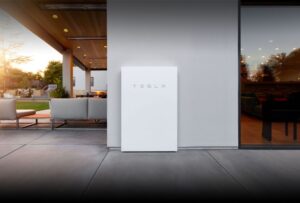
In a sunny month such as January, solar production is strong. On clear days, the 6.6 kilowatt system can generate between 25 and 30 kilowatt-hours of electricity. The home uses part of that energy during the day for appliances and cooling, while the surplus charges the battery.
By mid-afternoon, the 10 kilowatt-hour battery is typically full. During the evening and overnight period, the home runs almost entirely on stored solar energy. In many cases, only a very small amount of electricity is purchased from the grid, if any at all. In summer conditions, the battery performs exactly as intended, storing excess solar and powering the home through the night.
What Changes in Winter?
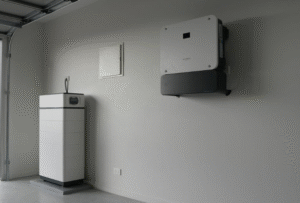
Winter performance tells a different story. In July, shorter days and a lower sun angle significantly reduce total solar generation. On a clear winter day, the system may produce around 15 kilowatt-hours. Although panels can operate efficiently in cooler temperatures, reduced daylight hours are the dominant factor.
At the same time, household consumption often increases due to heating and more indoor activity. As a result, there is less surplus solar energy available to charge the battery. Instead of reaching full capacity by early afternoon, the battery may only reach 60 to 70 percent charge. It still supports the home through the expensive evening peak period, but by late evening the battery is typically depleted and the home begins drawing power from the grid overnight.
What Happens During Overcast Winter Periods?
During extended cloudy periods, solar generation can fall to 10 to 25 percent of peak summer output. On heavily overcast winter days, the system may produce only 5 or 6 kilowatt-hours in total.
In these conditions, solar generation generally covers only essential daytime loads such as refrigeration and standby appliances. There is little to no excess energy available to charge the battery. On these days, the battery contributes minimally, and the home relies heavily on grid electricity overnight.
This highlights an important reality. A battery significantly reduces grid reliance, particularly in summer, but it does not eliminate electricity bills entirely. Performance is directly tied to solar generation and seasonal weather patterns.