Fast read
If your battery is not reaching 100 percent, it is often due to a protective charge limit set around 90 to 95 percent. High daytime energy usage or limited solar generation can also prevent full charging. In some cases, smart tariff modes intentionally leave spare capacity. Only if these explanations do not apply should you suspect a technical fault.
Is the Maximum State of Charge Intentionally Limited?
One of the most common reasons a battery stops at 80 to 95 percent is that it has been deliberately configured that way. Most systems include a maximum State of Charge setting, often adjusted by the installer to protect battery lifespan.
Lithium-ion batteries degrade faster if constantly pushed to 100 percent. By limiting the maximum charge to around 90 to 95 percent, the system reduces stress on the battery cells and improves long-term durability. If your app shows a maximum charge limit below 100 percent, this is usually a protective feature rather than a fault.
Is There Enough Excess Solar to Fill the Battery?
A battery only charges using surplus solar energy. Your solar system’s first priority is powering your home. If appliances such as air conditioning, ovens, pool pumps or hot water systems are running during the day, they may be consuming most of the generated energy.
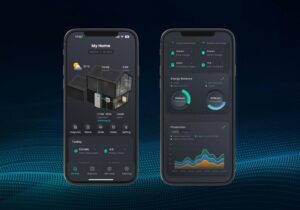
On cloudy days or during winter, solar output may also be reduced. If household demand is high or generation is limited, there may not be enough spare energy available to fully charge the battery before sunset. Checking your app’s energy flow diagram can help confirm whether excess solar is available.
Is the Battery Running in a Smart or Time-Based Mode?
Some systems operate in Time of Use or load-shifting modes. If you are on a tariff with cheap overnight electricity, the battery may intentionally leave space during the day and top up from the grid later when rates are lower.
This can result in the battery sitting at 70 to 80 percent during sunny afternoons. While this may look unusual, it can be a strategy to maximise financial savings under certain tariff structures. Reviewing your operating mode in the app will clarify whether this behaviour is intentional.
Could There Be a Technical Issue?
If the maximum State of Charge is not limited, there is ample solar generation, and the system is not operating in a special tariff mode, a technical issue may be possible. Communication errors between the inverter and battery, firmware problems or sensor faults can sometimes prevent full charging.
If everything appears correct in the app but performance still seems abnormal, contacting your original installer for a professional inspection is the appropriate next step. Electrical components should never be opened or adjusted without proper accreditation.