How a home energy audit can reduce electricity bills in Australia
Most Australians think solar panels or batteries are the first step to lowering energy bills. But according to energy efficiency specialist Adam Corrigan from Your Energy Friend, the real starting point is much simpler:
understanding how your home actually uses energy.
After assessing nearly 9,000 homes across Australia, Adam says the biggest savings often come from fixing problems homeowners don’t even realise exist. So what exactly does a home energy audit involve — and how much difference can it really make?
Let’s break it down.
What is a home energy audit?
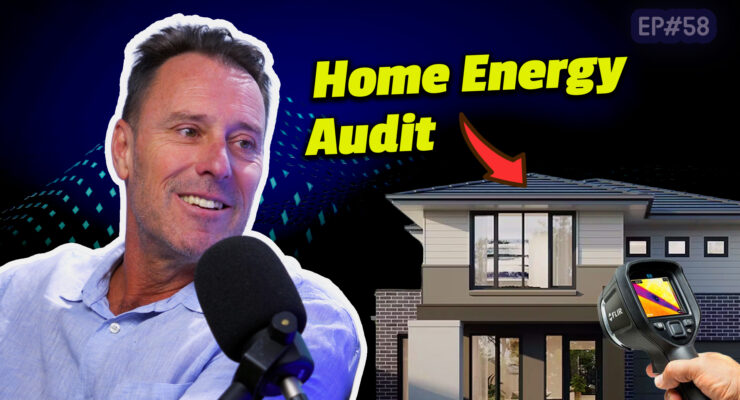
A home energy audit is a structured assessment of how your house uses electricity and gas — and where that energy is being wasted. Instead of guessing which upgrades might help, an audit identifies:
- where heat is escaping
- which appliances are costing the most
- whether your electricity tariff is wrong
- how insulation is performing
- whether solar or batteries make financial sense
- and the cheapest improvements with the biggest impact
According to Adam, most households contact him for one of three reasons:
The three main reasons people request an energy audit
He calls them the three Cs:
- Cost: Power bills are too high and people want answers.
- Carbon: Some households want to reduce environmental impact.
- Comfort: Many homes are simply too cold in winter or too hot in summer.
Comfort is often the biggest motivator.
Why Australian homes often feel colder than expected
Many Europeans and North Americans are surprised when they move into Australian houses. Despite spending millions on property, they frequently say:
“I’ve never been so cold in my life.”
That’s because many Australian homes were built with:
- limited insulation
- poor draft sealing
- lightweight construction
- minimal thermal performance standards
The result? Higher heating costs and lower comfort levels.
The biggest mistake homeowners make when trying to reduce electricity bills
Most people jump straight to solar panels. But Adam recommends a different order:
- Step 1 — Understand your electricity bill
- Step 2 — Check your tariff
- Step 3 — Improve energy efficiency
- Step 4 — Install solar
- Step 5 — Add batteries later
This sequence often produces the best long-term results.
The cheapest upgrade that can dramatically improve comfort
In many homes, the biggest problem isn’t technology. It’s insulation. Even small gaps can destroy performance.
Adam explains:
Just a 5% gap in insulation can reduce its effectiveness by half.
That means your ceiling insulation may already exist — but not be working properly.
Common issues include:
- insulation moved by electricians
- gaps around ceiling fans
- missing sections near ductwork
- compressed or ageing batts
- insulation left unopened in roof cavities
Yes — sometimes installers literally leave bags unopened in the roof space.
Why insulation matters more than most people realise
Around 30% of winter heat loss escapes through ceilings. And in summer: another 30% of heat enters through the roof space.
That makes ceiling insulation one of the highest-impact upgrades available. Modern standards in Sydney now expect around R4 ceiling insulation, but many homes still have older R2 insulation that has degraded over time.
The surprising upgrade that could reduce your mortgage interest rate
Energy efficiency is now affecting home finance. Some Australian lenders offer discounted interest rates if your home reaches certain efficiency targets.
In some cases:
- improving star ratings
- installing solar
- removing gas appliances
- upgrading hot water systems
can reduce mortgage rates by 0.25% to 0.5%. Over the life of a loan, that can mean tens of thousands of dollars saved.
What is the Residential Efficiency Scorecard?
The Residential Efficiency Scorecard is a government-supported rating tool that measures how efficiently your home operates.
It evaluates:
- insulation levels
- window types
- orientation
- ceiling height
- heating and cooling systems
- solar installation
- hot water systems
Homes receive a rating out of 10 stars. The average Australian home typically scores only two to two-and-a-half stars. That leaves enormous room for improvement.
Can changing electricity retailers really save money?
Yes — sometimes thousands of dollars. Adam regularly finds households saving 20–30% on electricity costs simply by switching plans. In one example: a household saved nearly $2,000 just by changing tariffs.
This is often the fastest saving available.
Why hot water is one of the biggest energy users in your home
Hot water typically accounts for: 30% to 40% of household energy use
That makes it one of the best upgrade opportunities.
Options include:
- solar hot water
- heat pump hot water
- electric storage with solar diverters
- replacing inefficient gas storage tanks
Older gas storage systems can behave like: a kettle sitting on a stove simmering all day.
Are heat pump hot water systems always the best option?
Not necessarily. High-quality heat pumps perform very well — but very cheap systems installed through rebate programs may fail early. Adam warns:
some low-cost heat pumps installed under rebate schemes simply weren’t built to last.
Can solar panels improve your home energy rating?
Yes — significantly. The Scorecard system estimates how much energy your home costs to run. That means solar can dramatically increase ratings. In some cases: even older homes can achieve high ratings once solar is installed.
How much does a professional home energy audit cost in Australia?
Typically around: $600 for a residential home
This usually includes:
- bill analysis
- metering data review
- thermal inspection
- insulation assessment
- appliance review
- upgrade recommendations
- long-term advice support
And the savings can far exceed that investment.
The real goal of a home energy audit
Most homeowners start with energy bills. But they finish with something better: a more comfortable home. As Adam puts it:
What do you have a house for? You want to be comfortable.