Fast read
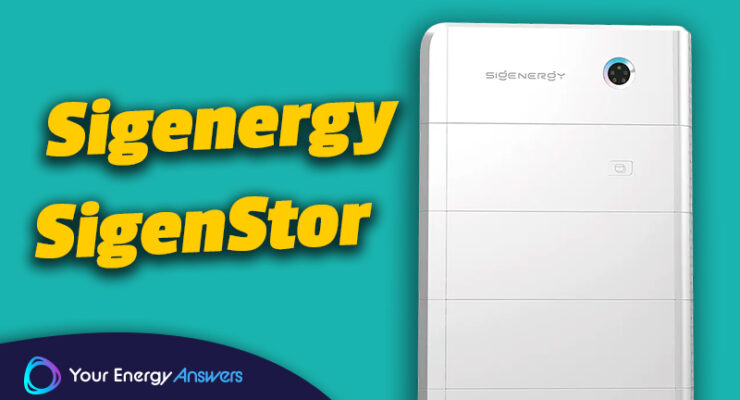
Sigenergy SigenStor is a 5-in-1 home energy storage system that combines a hybrid solar inverter, battery PCS, modular battery storage, energy management system and optional EV DC charger into a single platform.
Unlike traditional battery systems that rely on multiple separate components, SigenStor is designed as an integrated ecosystem. It can manage solar generation, battery storage, backup power and EV charging through one system, making it a popular option for homeowners planning long-term electrification and energy independence.
Most solar and battery installations are built from several separate pieces of equipment. You might have a solar inverter from one manufacturer, a battery from another, an EV charger from somewhere else and a separate monitoring platform tying everything together.
Sigenergy has taken a different approach.
Rather than treating these technologies as individual products, SigenStor combines them into a single integrated energy platform designed to manage solar generation, battery storage, backup power, EV charging and household energy consumption from one ecosystem.
For homeowners, the goal is simple: make the entire energy system work together rather than relying on multiple devices communicating with one another.
What exactly is SigenStor?
SigenStor is Sigenergy’s flagship residential energy storage platform. At first glance it looks like a battery system, but in reality it performs several different functions at once.
Sigenergy describes it as a 5-in-1 Home Energy Storage System because it combines:
- Hybrid solar inverter
- Battery storage
- Battery Power Conversion System (PCS)
- Energy Management System (EMS)
- Optional EV DC charging
The result is a system that can store excess solar energy, power the home after sunset, provide backup during blackouts, manage energy flows and even coordinate EV charging, all through a single interface.
For homeowners planning to invest in solar, batteries and potentially an electric vehicle over the coming years, this integrated design is one of the reasons SigenStor has attracted so much attention.
The five parts of the SigenStor system
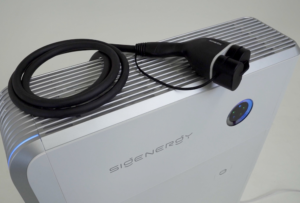
While Sigenergy refers to SigenStor as a 5-in-1 platform, it’s easiest to think of it as a complete home energy hub.
At its core is a hybrid inverter, which converts the electricity generated by solar panels into a form that household appliances can use. Rather than operating as a standalone device, the inverter works directly with the battery and energy management software to decide where electricity should go throughout the day.
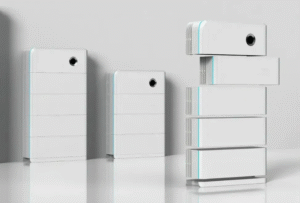
The battery storage component is what most homeowners are familiar with. Using lithium iron phosphate (LFP) chemistry, the battery stores excess solar energy for use after sunset or during a power outage. One of the advantages of the system is its modular design, allowing battery capacity to be expanded over time if household energy requirements increase.
Behind the scenes, the Battery Power Conversion System (PCS) manages the movement of energy between the solar panels, battery, home and electricity grid. Most homeowners never see this technology, but it plays a critical role in ensuring the system operates efficiently and safely.
The Energy Management System acts as the brain of the platform. It continuously monitors solar production, battery status, household consumption and grid interaction, making decisions about where energy should be directed based on user preferences and system settings.
Finally, homeowners can choose to incorporate Sigenergy’s EV charging capability. Rather than installing a completely separate charging ecosystem, EV charging can become part of the broader energy platform, allowing the vehicle, battery and solar system to work together.
How does SigenStor work during the day?
During daylight hours, the solar system generates electricity that is first used to power the home.
If solar production exceeds household demand, the system automatically decides how to use the surplus energy. Depending on the configuration, that energy may be stored in the battery, directed to an electric vehicle or exported to the electricity grid.
Because the Energy Management System is constantly monitoring energy flows, these decisions happen automatically in the background without requiring homeowner intervention.
The objective is to maximise the value of the solar energy being generated while reducing reliance on the grid.
What happens after sunset?
Once solar production drops away, the battery begins to play a more significant role.
Rather than importing electricity from the grid immediately, the home can draw on energy stored earlier in the day. Depending on battery size and household consumption, this stored energy may power the home through much of the evening and overnight period.
This is one of the key ways battery systems help reduce electricity bills, particularly as electricity prices continue to rise across Australia.
What happens during a blackout?
Backup capability is becoming increasingly important for Australian homeowners, particularly in areas affected by storms, bushfires or grid instability.
When configured appropriately, SigenStor can continue supplying power to selected household circuits during an outage. The exact backup performance depends on the battery size and system design, but many homeowners choose to keep essential loads running, including refrigeration, lighting, internet equipment and home office devices.
For some households, backup power is simply a convenience. For others, particularly those in regional areas, it can be one of the primary reasons for installing a battery system.
Why is SigenStor different?
The biggest difference isn’t necessarily any individual feature. Plenty of battery systems offer backup power, monitoring apps and battery storage.
The distinction lies in how those components are brought together.
Many traditional battery systems are assembled from separate products that have been designed independently and then connected during installation. SigenStor was designed as a unified platform from the beginning, with the inverter, battery, software and EV charging functionality intended to work as parts of the same system.
This approach can simplify installation, monitoring and future upgrades while reducing the number of separate devices homeowners need to manage.
Who is SigenStor best suited to?
Not every homeowner needs a fully integrated energy ecosystem. For some people, a simple battery may be sufficient.
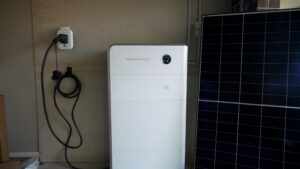
However, SigenStor is particularly attractive for households that are thinking beyond today’s electricity bill. It suits homeowners who may want to add an EV in the future, expand battery storage over time, improve backup protection or continue electrifying more of their home.
As Australian households become increasingly dependent on electricity for transport, heating, cooling and hot water, systems that can coordinate these technologies may become increasingly valuable.
Final thoughts
SigenStor is often described as a battery system, but that description doesn’t tell the whole story.
At its core, it is a home energy platform that combines battery storage, inverter technology, intelligent energy management, backup power and optional EV charging into a single ecosystem.
Whether that level of integration is necessary will depend on the individual household. However, for homeowners looking at the long-term future of their energy use rather than simply adding battery storage today, SigenStor offers a glimpse of where residential energy systems are heading.