Solar Sharer Offer Explained: Is 3 Hours of Free Electricity Really Free?
Late last year, the Federal Government announced a new energy policy called the Solar Sharer Offer.
The headline was simple. Three hours of free electricity in the middle of the day.
It sounded bold. Generous. Even revolutionary. But here’s the real question: Is electricity ever truly free? Or is the Solar Sharer scheme another energy policy that looks good in a press release but costs households more in the long run? Let’s break it down.
What Is the Solar Sharer Offer?
The Solar Sharer policy was introduced as a cost-of-living measure and energy reform initiative. The idea is straightforward:
Households can use electricity at zero cost
During peak solar generation hours (late morning to early afternoon)
To soak up excess rooftop solar flooding the grid
Australia produces enormous amounts of solar power in the middle of the day. So much, in fact, that wholesale electricity prices regularly go negative. Solar farms are curtailed. Wind output is limited. Home solar inverters are told to stop exporting. So the government’s solution?
Create artificial demand.
- Run dishwashers.
- Heat hot water.
- Charge EVs.
- Fill batteries.
On paper, the Solar Share scheme makes sense. Increase demand when supply is abundant. But the details tell a different story.
The Catch: It’s Not Truly Unlimited
After the big announcement, clarifications began emerging. There is now reportedly a cap — around 24 kWh during the three “free” hours. That sounds generous. But without a cap? Large energy users could easily consume:
60 kWh
80 kWh
Even 100 kWh
Completely free.
Households with EVs, large battery systems, pools and high daytime loads would have disproportionately benefited. So the policy had to be limited. But here’s the issue:
Those limits should have been designed before the headline announcement. Each new clarification makes it clear — this policy was sold as simple, but designed in a rush.
What Happens on Cloudy Days?
Energy systems don’t operate in theory. They operate in reality. Reality includes:
Winter afternoons
Low wind output
Grid stress
Yet the Solar Sharer free electricity window remains fixed. So what happens when renewable output drops?
- People still plug in.
- EVs still charge.
- Batteries still draw power.
- Appliances still run.
But now the system isn’t soaking up excess solar — it’s increasing demand at the wrong time. There is currently:
No weather trigger
No real-time renewable threshold
No automatic grid stress safeguard
That’s not smart energy reform. That’s grid roulette.

Could the Solar Sharer Scheme Create New Grid Problems?
Electricity networks don’t operate nationally. They operate:
Street by street
Feeder by feeder
Substation by substation
If everyone in the same neighbourhood turns everything on at midday, you don’t smooth the grid. You stress it. Network operators are already warning that the Solar Sharer Offer could:
Create new daytime peaks
Worsen voltage instability
Force additional network upgrades
And who pays for network upgrades? Not politicians. Not retailers. Households do — later, quietly, through higher bills.
The Controlled Load Problem Nobody Is Talking About
Australia’s controlled load systems (like overnight hot water tariffs) exist for a reason: grid balancing. But under a three-hour free electricity window, why would households continue paying for controlled load tariffs?
They won’t. They’ll shift hot water heating to midday. That reduces grid control, increases volatility, and redistributes costs across the entire system. “Free electricity” always has a cost. It’s just hidden.
Who Really Benefits from Free Midday Power?
The Solar Sharer policy is marketed as helping everyone, especially households without solar. But the biggest beneficiaries are likely to be:
EV owners
Battery owners
High-load households
People working from home
Households with flexible schedules
In other words, those already well-positioned to optimise energy usage. Renters, shift workers and low-income households are less able to reshape their daily routines around a three-hour window. Telling factory workers or commuters to “just run everything at midday” assumes they’re home and equipped to manage load shifting.
Smart Meters: The Hidden Requirement
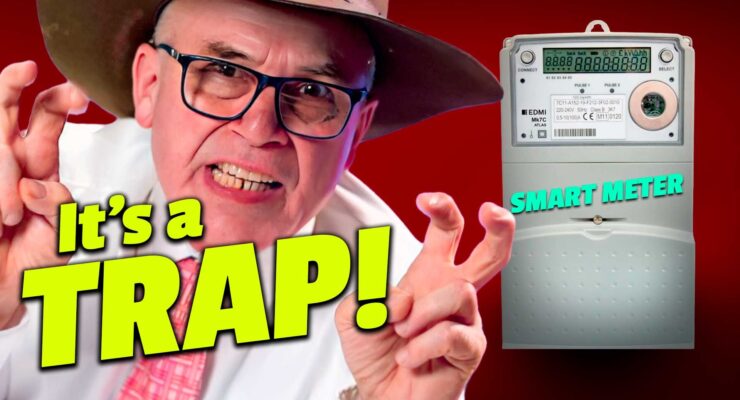
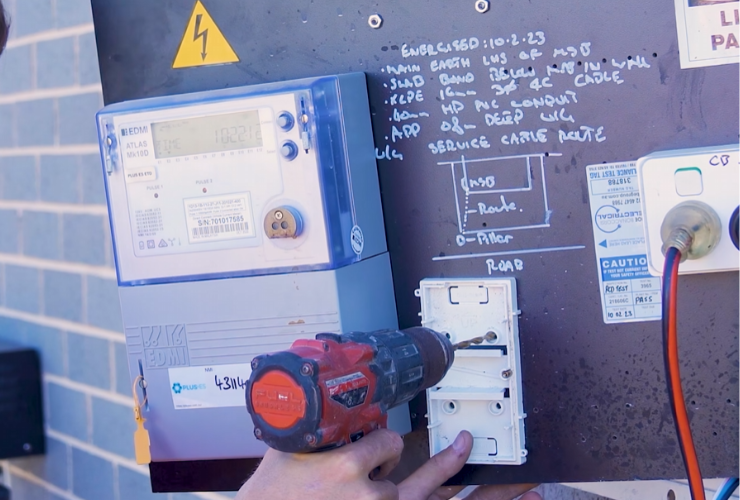
To access the Solar Sharer Offer, households must have a smart meter. No smart meter. No free electricity window. This accelerates the rollout of smart meters — even for people who previously resisted them.
Once installed, smart meters enable:
Time-of-use tariffs
Dynamic pricing
Remote disconnections
Granular consumption tracking
The free power offer effectively becomes a Trojan horse for advanced tariff reform. Instead of open debate about smart meter expansion, it’s bundled into a feel-good headline.
Will Retailers Shift the Costs Elsewhere?
Retailers are required to offer the Solar Sharer plan. But they are not prevented from:
Increasing daily supply charges
Raising peak evening tariffs
Adjusting shoulder pricing
Embedding costs outside the “free” window
Many households may save a few dollars at lunchtime — only to pay more at night. Free electricity can easily become a marketing term, not an economic miracle.
Is the Solar Sharer Offer Bad Policy?
It’s not evil. It’s not stupid. It was built for headlines — not resilience. Real energy reform requires:
Pricing that reflects system realities
Policies that work on cloudy days
Infrastructure designed for volatility
Transparent cost allocation
Electricity bills are paid with real money. Not slogans.
The Only Real Way to Control Your Power Bill
If you want true control over your electricity costs, there’s one proven solution: Install a high-quality solar and battery system. With properly designed solar storage, you can:
Capture excess midday generation
Avoid peak evening tariffs
Reduce reliance on policy-driven incentives
Protect against outages
Increase energy independence
Final Thought
The Solar Sharer Offer promises three hours of free electricity. But in energy policy, nothing is ever truly free. Australians deserve real reform — not feel-good headlines that look good today and cost more tomorrow.