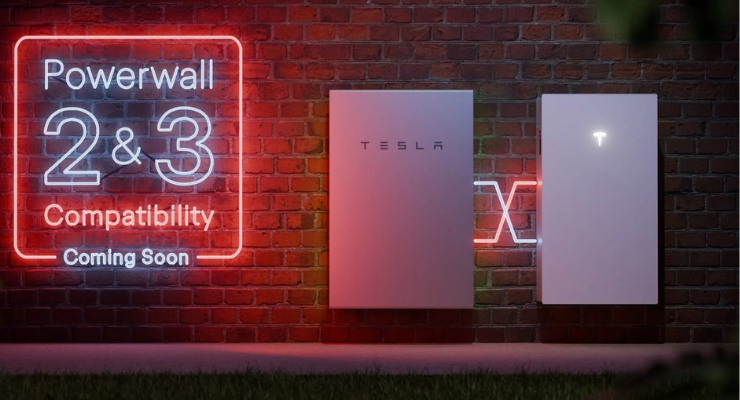
Tesla Powerwall 3 Will Soon Work With Powerwall 2 — Major Upgrade Coming to Australia
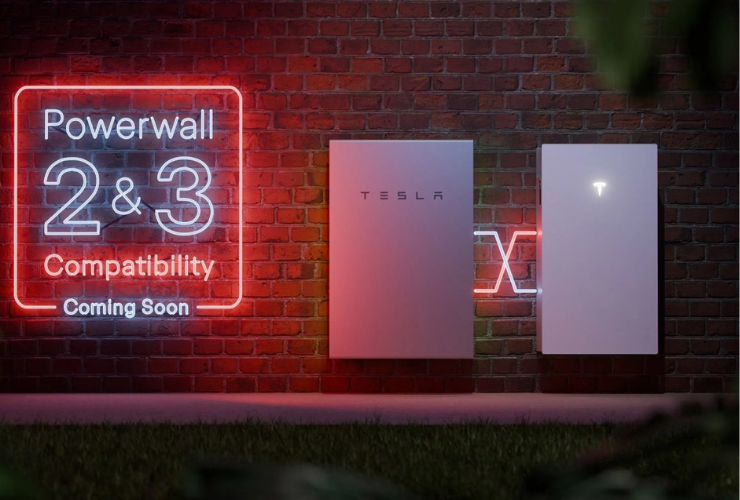
Tesla has quietly announced a major upgrade for existing home battery owners. In an upcoming software update, the Tesla Powerwall 3 will gain backwards compatibility with the older Powerwall 2, allowing the two battery generations to operate together in the same home energy system.
For thousands of Australian households already using Powerwall 2, this is a significant development. Until now, upgrading to the latest Tesla battery meant replacing the entire system or running separate installations.
With the new update, homeowners will be able to expand their existing Powerwall 2 system simply by adding a Powerwall 3, unlocking more storage capacity, higher output power and greater energy independence. The feature will be enabled through a future over-the-air software update, meaning no additional hardware changes are required to activate compatibility.
Why Tesla Powerwall 3 Compatibility Matters
One of the biggest frustrations for early battery adopters has been the rapid pace of new technology. When newer batteries arrive, older systems often become isolated or incompatible.
Tesla is addressing this issue directly by allowing Powerwall 2 and Powerwall 3 systems to operate together. This upgrade protects the investment of existing customers while giving them access to Tesla’s newest battery technology.
Key benefits include:
- Expand storage without replacing existing batteries
- Increase backup power capacity
- Improve solar self-consumption
- Maintain warranty coverage for older batteries
- Upgrade gradually instead of replacing the entire system
For homeowners who installed Powerwall 2 several years ago, this could be the simplest way to expand their system as electricity prices continue to rise.
What Is Tesla Powerwall 3?
Powerwall 3 is Tesla’s newest residential battery system and represents a significant upgrade from the previous generation.
The new unit includes:
- 11.5 kW continuous power output
- Integrated solar inverter
- Up to six solar inputs (MPPT channels)
- Improved system efficiency
- Higher peak power capability
Because the inverter is integrated directly into the battery, Powerwall 3 can simplify solar and battery installations while improving overall system performance. This architecture also enables Tesla to push software updates that unlock new functionality, such as the newly announced backwards compatibility feature.
Supported Powerwall System Configurations
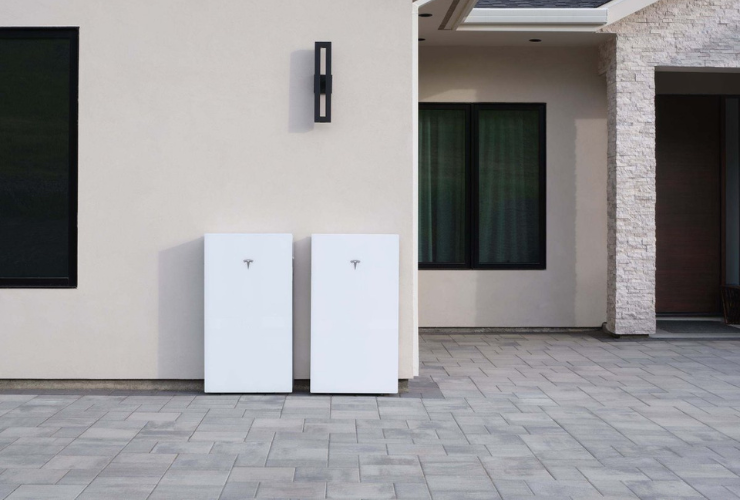
According to Tesla’s official documentation, the following configurations will be supported when the update launches.
A system can include:
- Up to four Powerwall 2 units
- One Powerwall 3
- Up to three Powerwall 3 Expansion units
This combination creates extremely large storage systems that could suit:
- large family homes
- homes with high EV charging demand
- off-grid style backup setups
- small businesses
However, Tesla has noted a limitation for certain grid connections. Homes with three-phase electricity connections will have Powerwall 3 output limited to 5 kW in these mixed systems.
Why Tesla Is Launching This Feature in Australia First
Interestingly, this compatibility update is currently rolling out only in Australia. Australia has become one of Tesla’s largest energy markets outside North America. The country’s high electricity prices, strong solar adoption and increasing battery demand have created ideal conditions for Tesla Energy.
The timing also follows a major Powerwall distribution expansion in Australia, which is expected to significantly increase battery deployment across the country. Because of this strong market demand, Tesla is likely using Australia as a real-world test market before expanding the feature globally.
Tesla’s Software Advantage
One reason Tesla can introduce features like this years after installation is its over-the-air software update infrastructure. Just like Tesla electric vehicles receive new capabilities through software updates, Tesla home batteries operate on a similar platform.
This allows Tesla to:
- upgrade system functionality remotely
- optimise battery performance
- enable new features without hardware replacement
- improve grid interaction capabilities
In practical terms, it means Tesla can change how a home energy system operates without sending a technician to the property. Few other battery manufacturers currently offer this level of software integration.
Incentives for Australian Powerwall Buyers
Tesla is also offering financial incentives to encourage new Powerwall installations.
Homeowners may be eligible for:
- Discounts under the Cheaper Home Batteries Program
- Up to $1,500 AUD back through Tesla’s Virtual Visa Reward Card
To qualify for the Tesla incentive, customers must:
- order a Powerwall 3 or Powerwall 3 Expansion unit by March 31, 2026
- complete installation by September 30, 2026
These incentives significantly reduce the cost of adding storage capacity to an existing solar system.
Warranty Protection for Existing Powerwall 2 Owners
Another important detail is that adding a Powerwall 3 will not affect the warranty of existing Powerwall 2 units. Powerwall 2 retains its original warranty coverage, while the new Powerwall 3 units include their own 10-year warranty.
This ensures homeowners can expand their system without risking their existing investment.
Installation Requirements
Tesla states that all installations must be completed by a Tesla Certified Installer.
This ensures:
- system safety
- correct electrical integration
- compliance with grid regulations
- protection of product warranties
Homeowners can either contact their original installer or locate a new Tesla certified installer when the update becomes available.
What This Means for the Future of Home Batteries
This update signals an important shift in how home energy systems evolve. Instead of replacing entire systems every few years, Tesla is demonstrating that batteries can become upgradeable energy platforms, much like smartphones or electric vehicles.
For consumers, that means:
- longer equipment lifetimes
- easier system expansion
- better protection of original investments
As battery adoption continues to accelerate worldwide, features like this could become an important differentiator between energy storage brands.