Fast read
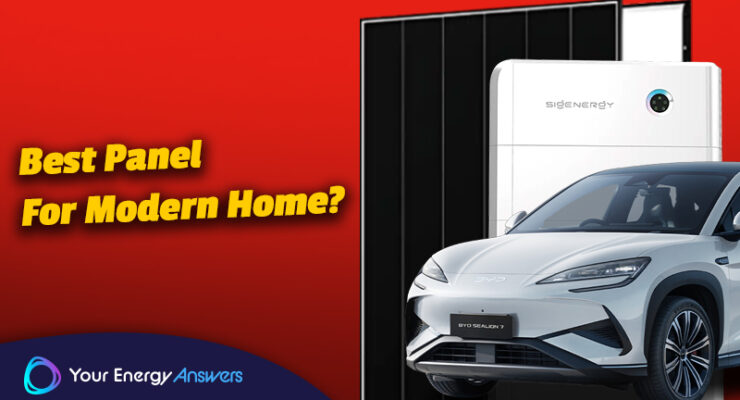
If you're installing a home battery or planning to buy an electric vehicle (EV), choosing the right solar panels is just as important as selecting the battery itself. Your solar panels need to generate enough electricity to power your home, charge your battery and potentially recharge your EV—all from the same roof. High-efficiency panels are often the best choice because they produce more electricity from limited roof space. Among today's premium options, AIKO solar panels stand out thanks to their industry-leading efficiency, advanced ABC cell technology and excellent long-term performance. While they aren't the only quality panel available, they are one of the strongest choices for homeowners wanting to build a solar system that's ready for Australia's increasingly electric future.
The way Australians use electricity is changing faster than ever before. Home batteries are becoming more affordable, electric vehicles are growing in popularity and many households are replacing gas appliances with electric alternatives such as induction cooktops and heat pump hot water systems. These changes are helping reduce household emissions, but they are also increasing the amount of electricity homes consume every day.
For many homeowners, installing solar panels is the first step towards reducing electricity bills and becoming less reliant on the grid. However, once a battery and an electric vehicle are added to the equation, the performance of the solar panels becomes far more important. The solar system is now expected to power the home during the day, recharge the battery before sunset and generate enough surplus electricity to charge an EV whenever possible. That’s why choosing the right solar panels is no longer just about price—it’s about how much energy they can produce over the next 25 to 30 years.
Why Higher Efficiency Matters
A home battery can only store excess solar energy. If your solar panels are only generating enough electricity to cover your daytime household usage, there may be very little left to charge the battery. Likewise, an electric vehicle requires a significant amount of electricity to recharge, often much more than homeowners initially expect. The more electricity your solar system produces throughout the day, the greater your ability to charge both your battery and your vehicle without relying on expensive grid power.
This is where high-efficiency solar panels begin to separate themselves from standard alternatives. Rather than occupying more roof space, they simply generate more electricity from every panel. That additional energy may seem relatively small on any single day, but over decades it can translate into thousands of extra kilowatt-hours and substantial reductions in electricity costs.
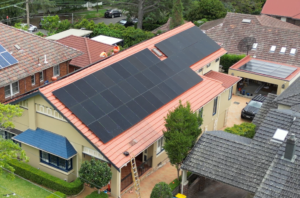
Why AIKO Is Becoming a Popular Choice
There are many reputable solar panel manufacturers available in Australia, including REC, Maxeon, Trina Solar and Jinko Solar, all of which have earned strong reputations for quality and reliability. However, when the goal is to maximise electricity production from a limited roof area, AIKO has quickly become one of the most talked-about premium options.
AIKO has focused almost entirely on improving panel efficiency through its proprietary All Back Contact (ABC) technology. Unlike conventional solar panels that have electrical contacts visible across the front of each solar cell, AIKO places all electrical connections behind the cell. This allows more sunlight to reach the active surface of the panel, improving energy conversion while also giving the panels their distinctive all-black appearance.
The result is one of the highest-efficiency residential solar panels currently available. For homeowners installing a battery or planning to charge an electric vehicle, that higher efficiency means more electricity can be generated from the same roof space without increasing the number of panels installed.
Rather than simply producing higher wattage on paper, AIKO’s approach is about making every square metre of roof work harder. That becomes increasingly valuable when roof space is limited or when future electricity demand is expected to grow.
Better Suited to Modern Australian Homes
Many Australian homes no longer have large, uninterrupted roof areas that can accommodate dozens of solar panels. Modern architectural designs often include multiple roof sections, skylights, vents and air-conditioning units, while urban blocks may experience shading from neighbouring buildings or trees. These factors limit the number of panels that can be installed, making panel efficiency more important than ever.
AIKO panels are particularly well suited to these situations because they maximise the energy generated from the available installation area. Instead of accepting a smaller system because the roof has reached its capacity, homeowners can install higher-performing panels that help recover some of the lost generation.
For households investing in a home battery, this can mean more surplus energy available to charge the battery during the day. For those with an electric vehicle, it may also increase the amount of solar energy available for vehicle charging rather than purchasing electricity from the grid.
Planning for the Next 30 Years
A quality solar system should continue producing electricity for decades, so it makes sense to think beyond today’s energy usage. Many households that don’t currently own an electric vehicle will likely consider one during the life of their solar system. Others may add a battery several years after installing solar or continue replacing gas appliances with electric alternatives as they renovate their homes.
These changes all increase electricity demand. Installing higher-efficiency panels from the beginning helps ensure your roof is producing as much energy as possible, reducing the likelihood of wishing you had installed a larger system later.
This doesn’t necessarily mean AIKO is the right choice for every homeowner. If your roof has abundant space, installing additional quality mid-range panels may provide excellent value. However, where roof space is limited—or where homeowners simply want the highest-performing system possible—AIKO often becomes one of the strongest options available.
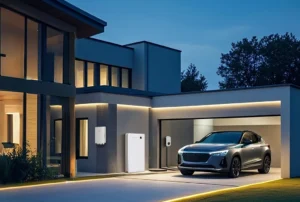
More Than Just Efficiency
Although AIKO’s efficiency attracts most of the attention, it’s only one part of the overall package. The company has also focused on long-term durability, low degradation and strong performance in high temperatures, all of which are important in Australia’s demanding climate.
High summer temperatures naturally reduce the output of every solar panel, but premium panels are generally designed to better maintain their performance during hot weather. Over many years, these seemingly small improvements can contribute to greater annual electricity production and improved long-term savings.
For homeowners investing in batteries and electric vehicles, consistent performance is just as important as peak performance. A solar system that continues producing strong output year after year will deliver greater value than one that experiences faster performance decline.
Building a Complete Energy System
It’s important to remember that solar panels are only one component of a modern home energy system. The inverter, battery, EV charger and overall system design all influence how efficiently the system operates. Even the highest-performing solar panels won’t deliver their full potential if they’re poorly positioned, incorrectly sized or paired with unsuitable equipment.
An experienced installer will assess your roof layout, electricity consumption and future plans before recommending the most appropriate solution. If your goal is to install a battery now or purchase an electric vehicle in the future, they can design the solar system with those requirements in mind rather than simply meeting your current electricity usage.
Choosing high-efficiency panels such as AIKO doesn’t replace good system design—it complements it.
Final Thoughts
There isn’t one solar panel that’s perfect for every Australian home. The best choice depends on your roof, your electricity usage, your budget and your long-term plans. However, if you’re building a solar system around a home battery and an electric vehicle, generating as much electricity as possible becomes one of the highest priorities.
That’s why AIKO has become such a compelling option. Rather than relying on marketing claims, its reputation has been built around delivering exceptionally high efficiency through advanced ABC technology. For homeowners with limited roof space or plans to significantly increase their electricity usage over the coming years, that extra performance can provide meaningful long-term benefits.
While several premium solar panel manufacturers produce excellent products, AIKO has positioned itself as one of the leading choices for battery-ready and EV-ready homes. If your goal is to maximise energy production, reduce reliance on the grid and future-proof your home for the next 25 to 30 years, AIKO is certainly a panel that deserves serious consideration.