
Powering a Second Chance: Inside the Solar Upgrade at Southern Cross Wildlife Hospital
Imagine performing life-saving surgery on an injured kangaroo in the middle of the night, only for the power to suddenly cut out. The room plunges into pitch darkness. Machines stop humming. Medical volunteers scramble, rushing to use the dim glow of their smartphone torches just to finish a critical procedure.
For Dr. Ralph and the dedicated team at the Southern Cross Wildlife Hospital, this terrifying scenario was an all-too-frequent reality. Located in a beautiful but rural region near Canberra, New South Wales, the clinic frequently battles severe weather, fallen trees, and unreliable grid infrastructure.
But thanks to a powerful coalition of renewable energy leaders, this extraordinary wildlife sanctuary has received a game-changing upgrade: a state-of-the-art, free solar and battery storage system.
Here is the story of how sustainable technology is protecting Australia’s most iconic species while slashing crippling energy bills.
The Heroes of Southern Cross Wildlife Hospital
For more than 40 years, Dr. Ralph, Glenda, and an extraordinary team of passionate volunteers have spent their lives rescuing, operating on, and rehabilitating injured native animals. Operating out of a beautifully converted old shearing shed, the hospital provides completely free medical care for native wildlife.
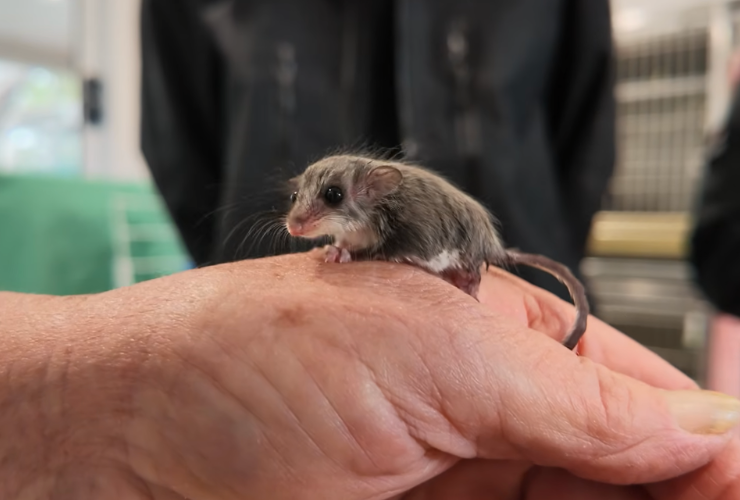
From treating fractured femurs to feeding orphaned joey kangaroos every four hours, day and night, the workload is intense and entirely unpaid.
“If we can’t look after the one thing that makes Australia unlike anywhere else on earth, what exactly does being Australian really mean?”
Despite receiving no ongoing government funding, the clinic handles an incredible influx of animals brought in by dedicated local carers like Belinda, who recently brought in 11 injured animals in a single day. In a country where roadkill and invasive predators like foxes decimate local populations, this hospital is a vital second chance for survival.
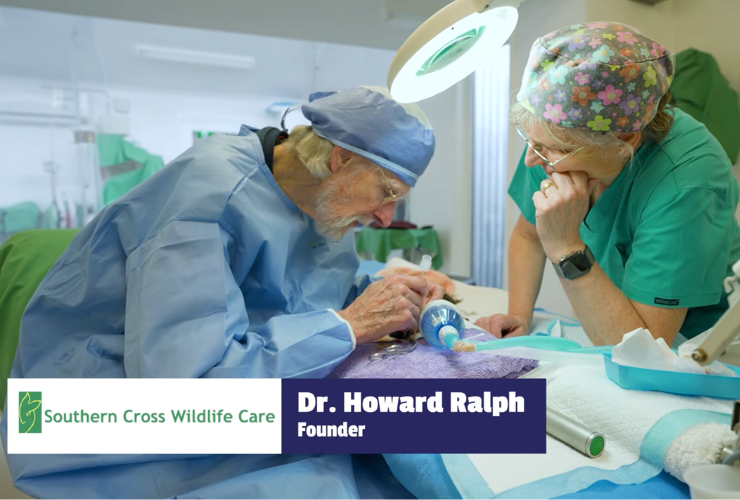
The Solution: A Heavy-Duty, Off-Grid Ready Solar Setup
To eliminate the threat of blackouts during critical surgeries, Your Energy Answers teamed up with local installer SolarHub and premier equipment manufacturers to donate and install a robust commercial-grade solar array.
Because the Canberra and wider NSW region experiences harsh climates—ranging from biting winter colds to high ridge winds—the system had to be overengineered for maximum reliability.
1. High-Efficiency AIKO Solar Panels
The roof features the newly launched AIKO 60 Series solar panels. Known for their ultra-high efficiency and sleek aesthetics, these panels were selected specifically to maximize power generation on the clinic’s relatively small roof space.
2. SolaX Battery Storage with Smart Thermal Management
To ensure the clinic has total facility backup power through the night, a 30 kWh SolaX battery system was installed alongside a single-phase SolaX inverter.
Stackable Design: The SolaX HS 5.1 units are stackable, allowing the system to scale up to 80 kWh of storage if needed.
Weather Resistance: Lithium battery chemistry typically struggles in freezing temperatures. SolaX counters this with integrated thermal management systems, ensuring the batteries operate at maximum capacity even during cold Canberra winter nights.
3. Overengineered Clenergy Racking
Perched on a ridge, the clinic faces extreme wind loads. To keep the solar panels securely anchored for the next 15 to 20 years, the installation utilised Clenergy racking featuring an Easy Click thin interface—the fastest and most secure mounting system on the market.
Slashing Energy Bills to Reinvest in Animal Care
Running medical equipment, ultrasonic cleaners, spectrophotometers, washing machines, and climate control for recovery rooms strains more than just the power grid—it strains the check book.
The hospital’s seasonal electricity bills routinely ranged from $1,400 to $1,900, forcing the founders to scrape together personal funds to cover the difference.
With the new 30 kWh battery and AIKO solar system online, the hospital’s power bills are projected to drop by 60% to 70%. Instead of paying power companies, those thousands of dollars will now go directly where they belong: buying medicine, specialised milk formulas, and surgical supplies for Australia’s precious wildlife.
SolarHub: The Driving Force Behind the Upgrade
As one of the ACT and New South Wales region’s leading renewable energy providers, SolarHub played a central, hands-on role in turning this life-saving vision into reality. SolarHub’s technical team designed a bespoke solar system paired with a SolaX battery system, specifically engineered to handle the clinic’s heavy medical loads and severe weather conditions. In addition to designing the setup, SolarHub donated their certified installation labour and engineering talent, turning the shed into a resilient, off-grid-capable medical facility.
Working alongside Your Energy Answers, SolarHub coordinated with top-tier equipment manufacturers to bring together high-performance donated gear, including AIKO panels, SolaX battery storage, and Clenergy mounting racking. Recognising that the clinic sits on a high, wind-exposed ridge, SolarHub’s installers overengineered the mounting hardware and fine-tuned the battery’s smart thermal management systems to guarantee seamless backup power during freezing winter blackouts.
Beyond the physical installation, SolarHub continues to provide ongoing support to ensure the system operates at peak efficiency, giving Dr. Ralph and his team total peace of mind for decades to come.
How You Can Make a Difference
Millions of everyday Australians are feeling the pinch of rising electricity prices. While the Southern Cross Wildlife Hospital found relief through this incredible donation, everyday homeowners can take control of their energy costs too.
Optimise Your Plan: If you want to ensure you are always on the lowest possible electricity rate, consider checking out comparison services like Automised Energy. Unlike traditional comparison sites, they continuously monitor the market and alert you if a cheaper plan becomes available later on.
Find Local Experts: For trusted independent advice, solar calculators, and connections to vetted local installers, visit Your Energy Answers.
Support the Southern Cross Wildlife Hospital
The true heroes of this story don’t need sympathy—they need practical support. If you want to help keep their lights on and their operating tables running, consider donating or volunteering today. Look up the Southern Cross Wildlife Hospital on Facebook or Google to see how you can help protect Australia’s unique natural heritage.