Fast read
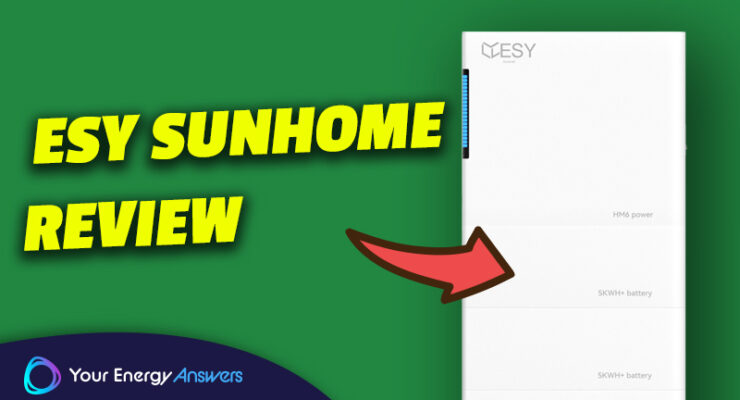
Yes, ESY Sunhome is worth considering for homeowners wanting a clean, expandable and modern battery system. The range includes single-phase, three-phase, EV charging and larger storage options, giving installers flexibility to match the system to different homes. It may not have Tesla-level brand recognition yet, but for an all-in-one energy storage solution with smart monitoring and room to grow, ESY Sunhome is a serious option to compare
The Australian battery market is getting more crowded every year. Tesla, Sigenergy, Sungrow, BYD, Alpha ESS, Fox ESS and other brands are all competing for homeowners who want to store more solar power and reduce reliance on the grid.
So when ESY Sunhome appears in a solar and battery quote, it is reasonable to ask: is ESY Sunhome actually any good?
The practical answer is: yes, ESY Sunhome is worth considering, but it needs to be assessed as a full energy storage range, not just as one battery model.
That distinction matters. ESY Sunhome’s product range now includes single-phase all-in-one systems, larger single-phase options, three-phase systems, EV charging products, smart monitoring software and commercial-scale energy storage solutions. The official ESY Sunhome product range lists residential models including HM5, HM6, HM5-MAX, HM10, HM12, HM10-H, HM15 and HM20, along with EV charging and commercial energy storage products.
For Australian homeowners, that makes ESY Sunhome more interesting than a simple “budget battery” comparison. It is better understood as a growing home energy ecosystem.
| Product Type | Models | Typical Use Case |
|---|---|---|
| Smaller single-phase systems | HM5, HM6 | Standard homes wanting solar storage and backup planning |
| Larger single-phase systems | HM5-MAX, HM10, HM12 | Homes with higher loads or larger solar systems |
| Three-phase systems | HM10-H, HM15, HM20 | Larger homes, three-phase properties, high energy users |
| EV charging | EV22 V2E | Future EV and vehicle-to-home style integration |
| Commercial storage | ES125-261 ESS, ES130-261 hybrid system | Business, larger sites and hybrid energy setups |
What ESY Sunhome Gets Right
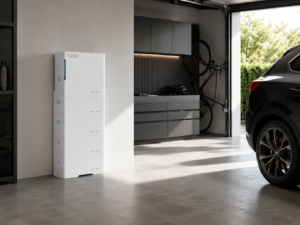
The main appeal of ESY Sunhome is the all-in-one design. Instead of treating the battery, inverter and monitoring as completely separate pieces of equipment, ESY Sunhome’s residential systems are designed as integrated energy storage units.
For homeowners, this can make the system easier to understand. Rather than having several boxes across the garage wall, an all-in-one system can create a cleaner installation and a more streamlined ownership experience.
The other strength is scalability. A household with moderate evening use may only need a smaller setup, while a larger home with ducted air conditioning, a pool, EV charging or three-phase power may need a more capable system. ESY Sunhome’s three-phase range is specifically positioned for larger residential and small commercial applications, with support for solar, battery storage, EV charging and diesel generator integration.
This gives the brand a stronger long-term story than a single fixed-size battery.
How It Compares to More Famous Battery Brands
ESY Sunhome does not yet have the same household-name recognition as Tesla Powerwall. It also does not have the same long-standing Australian market profile as some of the bigger inverter and battery brands.
But brand recognition is not the same thing as suitability.
A well-designed ESY Sunhome system may suit a home better than a more famous battery if it offers the right inverter size, storage capacity, phase compatibility, monitoring and backup design. On the other hand, some homeowners may still prefer a more established brand if they value name recognition, installer familiarity or a longer visible track record in the Australian market.
So the realistic position is this: ESY Sunhome is not automatically the best battery for every home, but it is a serious brand to compare properly.
Who ESY Sunhome May Suit Best
ESY Sunhome may be a good fit for homeowners who want a modern solar battery system and are planning beyond today’s energy use.
It may suit:
Homes installing solar and battery together, because the all-in-one design can simplify the system layout.
Homes with growing energy needs, especially if the household may later add EV charging, heat pump hot water, induction cooking or more air conditioning.
Three-phase homes, because ESY Sunhome offers larger three-phase all-in-one energy storage systems rather than only small single-phase products.
Homeowners who want clean monitoring, because ESY Sunhome includes app and cloud-based smart energy management within its product ecosystem.
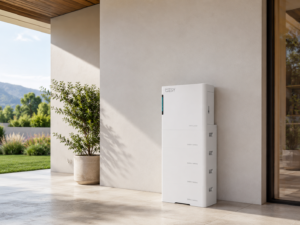
It may also suit homeowners who care about appearance. These systems are designed to look more like modern home energy appliances rather than a rough collection of equipment bolted to the wall.
What Homeowners Should Check Before Buying
This is where the review needs to stay practical. ESY Sunhome may be a good option, but homeowners should not buy any battery purely because the brochure looks good.
Before choosing ESY Sunhome, ask these questions:
Which model am I being quoted?
There is a big difference between a smaller single-phase model and a larger three-phase system. The model should match your home’s electrical setup and energy use.
Is it suitable for my phase type?
Single-phase and three-phase homes need different design thinking. A battery that suits one home may not suit another.
How much storage do I actually need?
A larger battery is not always better. The right size depends on your night-time usage, solar generation, tariff, backup expectations and future plans.
What can it power during a blackout?
Backup should be explained clearly. Ask which circuits are backed up and whether large loads like ducted air conditioning, ovens, pool pumps or EV chargers are excluded.
Is the installer experienced with ESY Sunhome?
Battery performance depends heavily on installation quality, commissioning, monitoring setup and switchboard design.
Is the exact model approved and eligible for any current rebate?
Battery rebate values, product approvals and eligibility rules can change over time. Always confirm the exact model and rebate assumptions at the time of quoting.
Is ESY Sunhome Suitable for Australian Conditions?
ESY Sunhome promotes outdoor-ready protection across its residential range. SolarQuotes notes the HM6 has an IP66 ingress rating and an operating temperature range from -25°C to 60°C, with derating above 45°C.
That is a positive sign for Australian installations, where batteries may be installed in garages, side passages or semi-exposed areas.
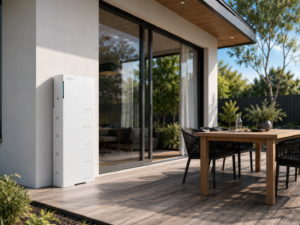
However, “outdoor-ready” does not mean “install anywhere.” A battery should still be protected from harsh direct sun where possible, installed with proper clearance, kept away from flood-prone areas and positioned according to manufacturer and Australian installation requirements.
Final Verdict: Is ESY Sunhome Battery Any Good?
Yes, ESY Sunhome is worth considering for Australian homes, but the strongest case for the brand is its broader product range, not just one model.
The HM6 may be one of the better-known ESY Sunhome batteries, but the brand now offers a wider range of single-phase, larger single-phase and three-phase all-in-one energy storage systems. It also has EV charging and commercial storage products, which suggests ESY Sunhome is positioning itself as a broader energy management brand rather than just a battery supplier.
For the right home, ESY Sunhome can offer a clean, expandable and modern battery solution. But the final result will depend on choosing the right model, sizing it properly and using an installer who understands the system.
The simple answer is this: ESY Sunhome is not just “any good” because of one battery spec. It is good when the product range is used properly to match the right system to the right home.
FAQs
Is ESY Sunhome a good battery brand?
Yes, ESY Sunhome is worth considering, especially for homeowners who want an all-in-one energy storage system with expandable capacity, smart monitoring and single-phase or three-phase options.
Does ESY Sunhome offer three-phase batteries?
Yes. ESY Sunhome offers three-phase all-in-one systems such as the HM10-H, HM15 and HM20, with storage options listed from 10–90kWh depending on the model and configuration.
Can ESY Sunhome provide backup power?
Yes, an ESY Sunhome system may support backup power when designed correctly. The exact backup performance depends on the model, battery size, inverter capacity, switchboard design and which circuits are backed up.