Commercial Solar Farm Expansion in Regional Australia: Detailed Case Study of Moree NSW
Renewable energy projects are expanding rapidly across Australia as the nation moves toward clean power generation. Regional areas in New South Wales offer abundant sunlight and flat land, making locations such as Moree prime targets for large-scale solar installations. However, when corporate renewable developments proceed without genuine local consultation, they create severe financial and emotional consequences for neighbouring residents.
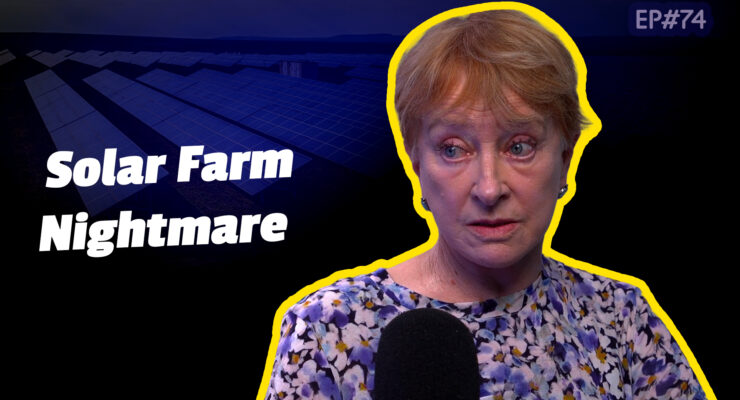
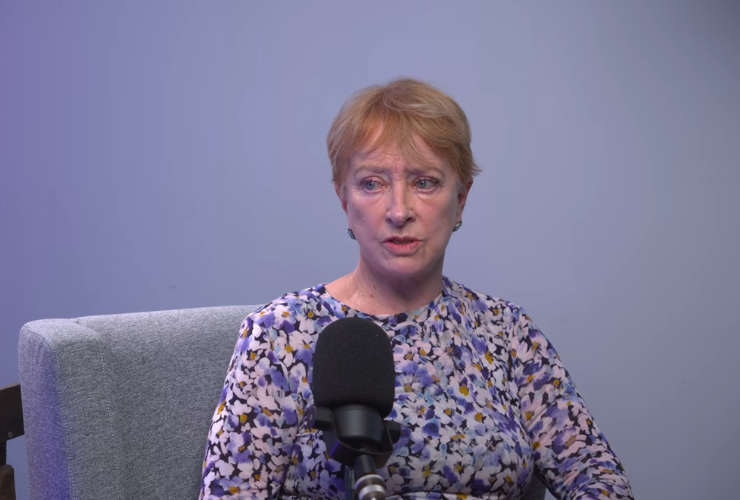
A recent episode of the Your Energy Answers podcast hosted by Marcus highlights a detailed case study from Moree. The discussion features Michelle, a local resident whose lifestyle property directly borders a proposed commercial solar development. Her experience provides a comprehensive look at how current planning processes impact regional landholders.
Background and Personal Journey of the Affected Resident
Michelle spent 25 years living and working in Sydney as a producer of television and film. She describes her political stance as left of centre and has long supported clean energy initiatives. Her move back to Moree eleven years ago was driven by family needs, caring for her mother through illness following her father’s passing. For 18 months prior to relocating, she commuted regularly between Sydney and Moree.
Upon moving back permanently, she accepted a role as chief executive officer of a local community services entity. Over ten years, she directed local programs providing aged care, NDIS disability support, Meals on Wheels, and community transport.
Her long-term strategy involved renovating her ten-hectare rural lifestyle block situated seven kilometres outside Moree. After a decade of work and financial investment, she prepared to retire, finish her executive role, and sell her property to re-enter the Sydney housing market.
Proposed Solar Array Specifications and Proximity Issues
Just as Michelle prepared to list her home for sale, she received notification of a proposed commercial solar installation right next door.
Key details regarding the proposed development include:
Solar Developer: EDPR, an international energy corporation with a planned Australian solar pipeline of 1.5 gigawatts.
Project Scale: A five megawatt solar farm comprising approximately 42,000 solar panels spanning 20 hectares.
Boundary Proximity: The solar panel array commences between 150 and 200 metres from her main residence, directly along her property boundary.
Household Outlook: Living areas, kitchen windows, and outdoor verandas look directly across the open field where the panels will stand.
Neighbouring Landscape: Adjacent properties in the lifestyle subdivision are located 500 metres or further away, leaving Michelle as the most directly impacted landholder.
Financial Loss and Construction Disturbance
Real estate professionals in Moree estimate that placing a major commercial solar installation directly along a residential boundary results in severe property devaluation.
Severe Market Devaluation: Local estate agents indicate property value losses between 30 and 50 per cent due to lost visual appeal and industrial encroachment.
Protracted Construction Windows: The proposal includes a two-stage construction schedule extending potential disruption over several years.
Severe Physical Disruption: Heavy transport vehicles, dust, cement trucks, and noise will affect daily living conditions throughout the building phase.
Absence of Statutory Compensation: Because the project is a private commercial venture rather than a public utility acquisition, developers carry no legal obligation to compensate adjoining neighbours for lost property value.
Five-Year Market Limbo: The pending Development Application creates a Sword of Damocles hanging over the address, scaring away prospective buyers and trapping the owner financially.
Flaws in Development Application Procedures and Technical Studies
The administrative objection process reveals significant structural imbalances between multinational corporations and individual rural residents.
Unfair Notification Periods: Formal DA letters allow only 14 days for public comments. Mail delivery delays meant Michelle received her notice on the final day of the submission period, requiring her to seek an urgent extension.
Massive Technical Documentation: Development Applications frequently contain around 800 pages of dense technical evaluations covering glint, glare, and flooding. Reviewing these volumes within days while working full time presents an extraordinary hurdle.
Disparate Response Timelines: While residents receive two weeks to formulate objections, corporate developers get 21 days to respond to resident comments.
Inaccurate Technical Assessments: Several technical submissions were compiled without site visits. In a flood-prone area where Michelle has lived for 40 years through two major flood events, corporate reports wrongly described floodwaters as a gentle flow across cleared land.
Unrealistic Photo Surveys: Environmental assessments included photos taken behind isolated trees or directed away from the proposed array to downplay visible impact.
Unresponsive Corporate Channels: Michelle attempted to reach the corporate developer via a toll-free line, leaving messages that were never returned. Council staff refused to provide direct developer contact details, citing privacy rules.
Planning Framework Obstacles and Policy Recommendations
Under New South Wales planning regulations, specific procedural hurdles limit public input for small regional subdivisions.
Ten Objection Requirement: Planning guidelines require a minimum of 10 formal written objections to trigger an official public hearing. Because Michelle is the sole neighbour directly on the property boundary, securing 10 separate objections within a sparse rural area is extremely difficult, leaving her without a public forum.
Opaque Assessment Panels: State planning authorities appoint decision panels that evaluate sites from public roads without inspecting visual impacts from private verandas or living areas.
State Government Inaction: Inquiries sent through her local Member of Parliament to the Minister for Planning and Minister for Energy yielded standard replies reiterating administrative rules without addressing neighbour compensation.
To restore community confidence in clean energy projects, the podcast panel outlines vital policy changes:
Mandatory Buffer Distances: Enforcing strict minimum setback distances between solar installations and residential homes protects visual amenities.
Mandatory Developer Engagement: Requiring energy corporations to conduct early face-to-face consultation with neighbouring property owners.
Direct Compensation Rules: Establishing frameworks where commercial developers compensate adjacent landholders for documented property devaluation.
Strategic Remote Siting: Locating commercial solar installations across vast unoccupied agricultural tracts rather than directly adjacent to rural lifestyle subdivisions.
Key Findings and Strategic Outlook
Balancing Australia’s ambitious clean power targets with local community welfare requires systemic planning reform. The Moree case study demonstrates that relying solely on technical compliance and corporate efficiency harms regional social cohesion. When large energy corporations place major solar arrays against private rural boundaries to cut grid connection costs, neighbouring landholders absorb heavy financial losses.
Achieving a sustainable energy transition depends on trust, empathy, and institutional fairness. By introducing compulsory setback buffers, requiring direct developer dialogue, and compensating directly affected landholders, government authorities can foster genuine regional support for clean energy infrastructure. Protecting individual landholder rights while advancing national sustainability goals ensures that Australia’s energy transition remains equitable and durable for generations to come.