Fast read
Choosing a battery today is about more than storage capacity. It's about selecting an energy ecosystem that can support your home for the next decade or more.
Sigenergy stands out for its all-in-one approach, combining battery storage, solar inverter functionality, EV charging, backup power and smart energy management in a single platform. It offers excellent expandability and is particularly suited to households planning to electrify their homes. Sungrow remains one of Australia's most trusted battery brands, delivering reliable performance, strong installer support and competitive pricing. Tesla Powerwall continues to lead in software experience and brand recognition, with strong virtual power plant integration and proven reliability.
For homeowners focused on long-term flexibility and whole-home energy management, Sigenergy currently offers one of the most complete energy ecosystems available in Australia.
Australian homeowners are no longer choosing between batteries based solely on storage capacity and price. As electric vehicles, smart appliances, heat pump hot water systems and dynamic electricity tariffs become more common, many households are starting to think about their battery as the centre of a much larger energy system.
This shift has changed the way battery brands compete. Rather than simply asking how much energy a battery can store, homeowners are increasingly comparing backup capabilities, EV integration, software, expandability and how well a system can adapt as their energy needs change over time.
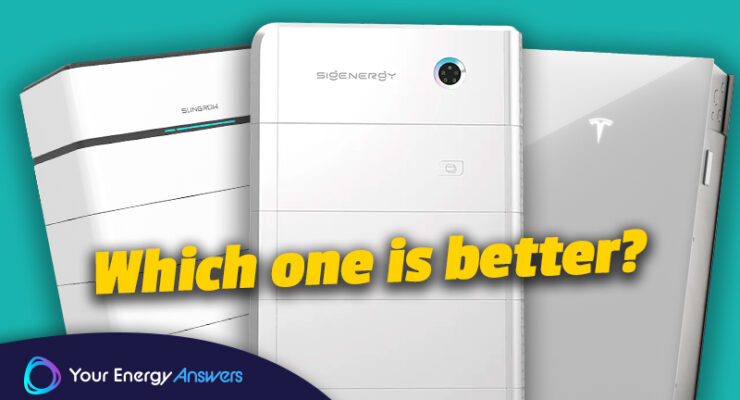
Three brands that regularly appear on Australian shortlists are Sigenergy, Sungrow and Tesla. All three offer quality battery solutions, but they take noticeably different approaches to home energy management.
Quick comparison
| Feature | Sigenergy | Sungrow | Tesla |
|---|---|---|---|
| Integrated Ecosystem | Excellent | Good | Very Good |
| EV Charger Integration | Built-In | Separate Product | Limited |
| Expandability | Excellent | Very Good | Moderate |
| Backup Capability | Excellent | Very Good | Good |
| App Experience | Excellent | Good | Excellent |
| VPP Readiness | Growing | Strong | Strong |
| Home Electrification Focus | Excellent | Moderate | Good |
| Future Flexibility | Excellent | Good | Very Good |
Looking beyond battery storage
A battery installed today may still be operating well over a decade from now. During that time, many Australian households will likely add an electric vehicle, expand their solar system, participate in a Virtual Power Plant or replace gas appliances with electric alternatives.
Because of this, long-term flexibility is becoming an increasingly important consideration. The brands that can adapt alongside a household’s changing energy needs may ultimately provide more value than systems focused solely on energy storage.
This is where the differences between Sigenergy, Sungrow and Tesla become more apparent.
Sigenergy: Built around the modern energy home
Sigenergy entered the Australian market with a different philosophy to many traditional battery manufacturers. Rather than focusing purely on battery storage, the company developed the SigenStor platform as an integrated system that can combine solar inverter technology, battery storage, backup power, energy management and EV charging within a single ecosystem.
For homeowners, this can mean fewer separate devices, fewer apps and a more streamlined ownership experience. As homes become increasingly electrified, that level of integration is becoming a significant point of difference.
One of Sigenergy‘s strongest advantages is flexibility. Homeowners can start with a system that suits their current requirements and expand later if energy usage increases. This can be particularly attractive for households planning to purchase an EV, install additional solar or transition more appliances away from gas.
Another area where Sigenergy stands out is energy management. Rather than treating solar generation, battery storage and EV charging as separate systems, they are managed through a single platform. For homeowners looking at long-term energy optimisation rather than simply storing excess solar, this integrated approach can be appealing.
Sungrow: Proven reliability and strong value
Sungrow has become one of Australia’s most widely installed solar and battery brands. Its reputation has been built on reliable performance, competitive pricing and a strong installer network that spans the country.
For homeowners primarily focused on reducing electricity bills and increasing solar self-consumption, Sungrow remains a compelling option. The company’s products are familiar to many installers, and support is generally easy to access.
Where Sungrow differs from Sigenergy is in its broader ecosystem approach. While it offers battery expansion options and strong solar integration, it has traditionally been focused on delivering dependable solar and storage solutions rather than acting as the central platform for a fully electrified home.
For many households that may not matter. However, for those planning significant changes to their energy usage over the next decade, it is a factor worth considering.
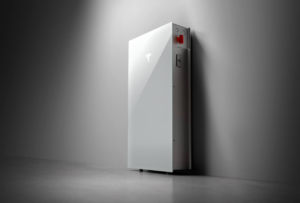
Tesla: The premium software leader
Tesla remains one of the most recognisable names in residential battery storage. The Powerwall helped popularise home batteries in Australia and continues to be a popular choice among homeowners seeking a premium solution.
Tesla’s biggest strength remains its software experience. The Tesla app is widely regarded as one of the best in the industry, providing clear visibility into solar production, battery performance and household energy use. The company also has a strong presence within Virtual Power Plant programs and benefits from substantial brand recognition.
However, the market has changed significantly since the original Powerwall was introduced. Today’s competition is no longer focused solely on battery performance. Increasingly, it centres on how well batteries integrate with EV charging, future expansion and broader home energy management.
Backup power and energy security
Backup capability has become a major consideration for many Australian households. Storms, bushfires and other extreme weather events have highlighted the importance of maintaining power during grid outages.
All three brands offer backup functionality, but their approaches differ. Tesla provides reliable backup through the Powerwall platform, while Sungrow offers strong backup solutions when configured appropriately. Sigenergy places particular emphasis on integrating backup power into a broader whole-home energy management system.
For homeowners seeking a system that may evolve alongside changing backup requirements, flexibility can be just as important as the backup feature itself.
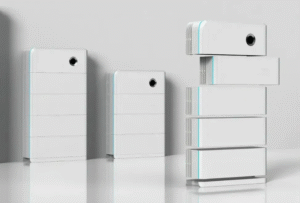
Which system offers the most long-term flexibility?
There is no single battery system that is perfect for every household.
Sungrow continues to offer excellent value and dependable performance, making it an attractive choice for homeowners focused primarily on solar self-consumption and reducing power bills. Tesla remains a strong premium option, particularly for those who value software quality, brand recognition and established Virtual Power Plant participation.
However, when viewed through the lens of long-term home electrification rather than battery storage alone, Sigenergy presents a particularly compelling proposition. Its integrated approach to solar, storage, backup power, EV charging and energy management positions it well for homeowners who are planning beyond today’s energy usage.
That doesn’t automatically make it the right choice for every household. But for Australians looking at how their home may evolve over the next decade, Sigenergy currently offers one of the most complete and flexible energy ecosystems available.