What the World’s Largest Solar Expo Teaches Us About the Green Tech Race
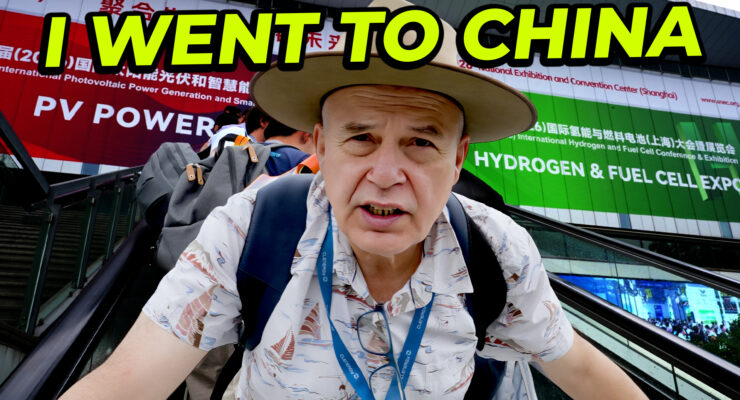
For anyone working within the distributed energy sector, stepping onto the floor of the SNEC PV Power Expo in Shanghai is a massive reality check. If you are used to the largest renewable energy events in Australia or Europe, SNEC instantly reframes your perspective.
What looks like a thriving, major industry at home feels like a local corner shop compared to the massive, eight-hall supermarket of global China solar manufacturing and engineering on display at SNEC. Hosting over 500,000 attendees, the event functions like a hyper-efficient, automated metropolis of solar and battery technology.
Here is what the cutting edge of global renewable energy trends looks like right now, and what it means for installers, consumers, and grid operators worldwide.
Next-Gen PV Tech: Topcon vs. ABC Solar Panels
Innovation in the solar sector is moving at a pace that legacy Western markets are struggling to match. The primary technical battleground on the expo floor revolves around efficiency gains for residential and commercial roofs.
Generation 4 Modules (Looking Ahead to 2027)
Manufacturers are already showcasing Generation 4 commercial panels, focusing heavily on maximising the power-to-weight ratio of double-glass modules. The goal is simple: packing higher wattage into standard residential footprints so homeowners can accelerate their EV charging and home battery readiness.
The Technology Divide
Installers are facing a shifting landscape when choosing the right cell architecture for their clients.
| Solar Cell Technology | Primary Advantage | Market Outlook |
| Topcon (Tunnel Oxide Passivated Contact) | High performance-to-cost ratio; current mainstream choice for commercial scalability. | Dominating current volume shipments. |
| ABC (All Back Contact) | Superior aesthetics (all-black front) and higher peak efficiency by moving electrical contacts to the rear. | Rapidly capturing premium residential market share. |
| Micro-Modules / Balcony Tech | Ultra-lightweight plug-and-play panels (e.g., Trina’s 97W micro-modules). | Exploding across Europe; awaiting regulatory shifts in Australia. |
Global Power Economics: The Brutal Reality Check
One of the most startling takeaways from international delegates at SNEC is the vast disparity in what everyday consumers pay to keep their lights on. As retail utility bills sting households worldwide, solar paybacks are dropping to historic lows.
The Kenyan Market: With grid electricity sitting around $0.28 USD/kWh (over 40 Australian cents), commercial solar arrays coupled with storage options boast an unbelievable 2-year payback period.
The European Dynamic: In countries like Germany, despite high hardware demand, a standard 10kW residential installation routinely costs between €12,000 and €22,000 due to high soft costs and labor constraints.
The Australian Paradox: Australian consumers face soaring peak network rates (up to 60 cents/kWh) and rising daily supply charges, yet can install a subsidised 10kW system for a fraction of European prices.
The Foundation of Chinese Manufacturing
Why does the West lag behind in clean energy manufacturing? The answer lies at the base of the supply chain. While global consumer grids grapple with high pricing, Chinese industrial manufacturing sits on a foundation of incredibly cheap electrons, paying roughly 10 to 12 cents per kilowatt-hour. Powered by an aggressive mix of nuclear, coal, and massive utility-scale renewable blocks, this ultra-low energy overhead is what fuels their unmatched production speed.
Why Australia is the Ultimate Battery Proving Ground
While China controls the manufacturing pipeline, global energy experts look directly to the Australia battery storage market to see how these technologies behave in the wild.
Per capita, Australia’s residential battery deployment market is roughly 10 times larger than Germany’s. Because Australian grids have integrated massive quantities of distributed rooftop solar ahead of the curve, the country has become the world’s live test lab for:
Managing high solar export volatility.
Deploying Virtual Power Plants (VPPs).
Testing hardware resilience under harsh, high-temperature climate profiles.
Global manufacturers use Australian field data to troubleshoot their systems before deploying them across slower-moving grids in the Americas and Europe. If a battery system can survive and thrive under Australian regulatory and climatic conditions, it is ready for the world stage.
Automation and the Death of European Manufacturing
A major point of discussion among international distributors at SNEC is the shifting speed of production. European automotive and energy sectors have historically operated on a philosophy of developing until flawless before entering a market.
In modern automation hubs, that philosophy is losing the timing race. The current operational model relies on rapid prototyping, real-world deployment, and immediate live iteration. What takes a Western firm 10 months to approve for a test run is built, tested, and showcased on a factory floor within 10 weeks.
Furthermore, the scale of factory automation challenges legacy geopolitical narratives. With component assembly, framing, and lamination lines almost entirely managed by advanced robotics, manufacturing dominance is no longer driven by cheap manual labor—it is driven by absolute, unbroken process efficiency.
Asset Management: The Next Multi-Billion Dollar Frontier
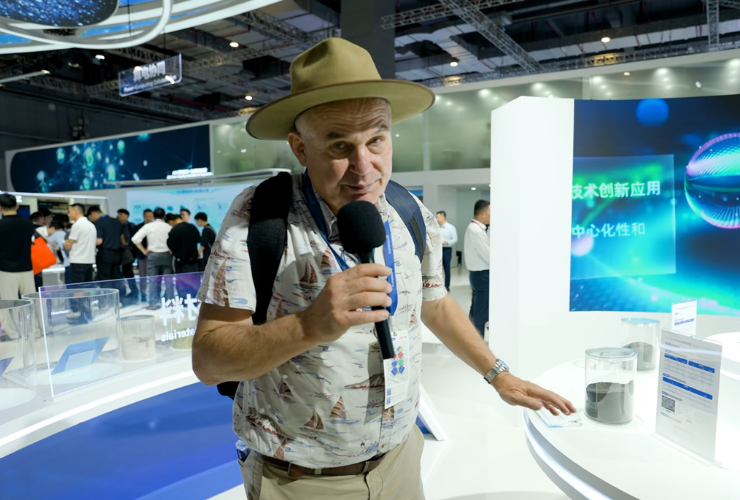
As utility-scale solar arrays expand globally, the focus is quickly pivoting from installation to long-term asset preservation. A recurring theme at SNEC is the introduction of specialised commercial maintenance robotics. Autonomous, solar-powered cleaning crawlers that can navigate strings of panels without human intervention are proving to be game-changers.
Commercial owners frequently lose thousands of dollars in generation revenue simply due to dust, debris, and lack of routine post-installation servicing. In the commercial sector, proactive system maintenance is no longer optional—it is a critical calculation for maintaining projected project returns.
The Final Verdict
The global energy transition is moving past the stage of political intent; it is now a race of industrial execution. To build a resilient energy footprint, Western markets must shift their focus from debating the transition to aggressively building out infrastructure, eliminating regulatory friction, and lowering the baseline cost of industrial electrons.
What are your thoughts on the shifting dynamics between Topcon and ABC solar tech? Let us know in the comments below, and don’t forget to subscribe for more real-world energy analysis.