Fast read
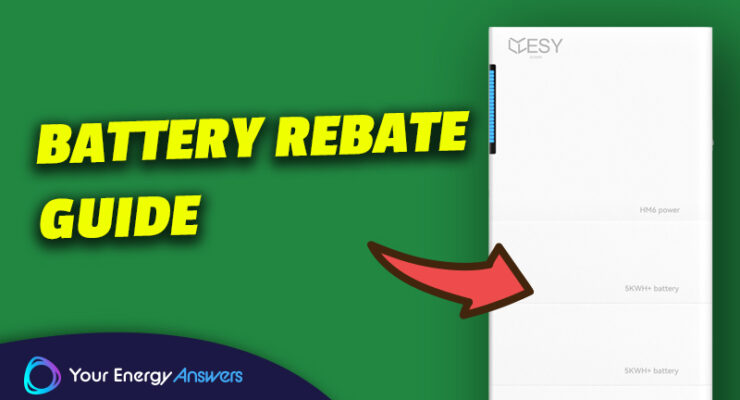
The federal battery incentive can reduce the upfront cost of an eligible ESY Sunhome battery, but the best result comes from choosing the right size upfront. The rebate is based on usable battery capacity, but support now tapers for larger systems, and only one battery system per premises can claim STCs. For many homes, an ESY Sunhome system around 10kWh to 15kWh may offer the strongest balance between rebate value, useful storage and everyday savings.
The federal battery incentive is making home batteries more affordable for Australian households, and ESY Sunhome is one of the brands many homeowners are now considering.
But the key is not just getting a battery. The real win is choosing the right size, making sure it is installed correctly, and understanding how the rebate is calculated.
How Does the Federal Battery Incentive Work?
The Cheaper Home Batteries Program supports eligible small-scale battery systems connected to new or existing rooftop solar. The discount is generally provided through solar and battery retailers or installers using Small-scale Technology Certificates, also known as STCs.
For homeowners, this usually means the rebate is applied as an upfront discount on the quoted battery price, rather than paid to you later as cash.
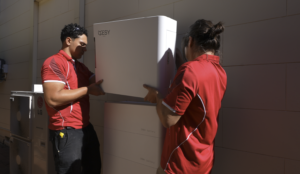
Is an ESY Sunhome Battery Eligible?
Eligible batteries must meet program requirements, be connected to solar, use approved components and be installed by properly accredited professionals. The Clean Energy Regulator says eligible batteries must be between 5kWh and 100kWh nominal capacity, and STCs can only be claimed on the first 50kWh of usable capacity.
ESY Sunhome’s residential range includes single-phase all-in-one systems from around 5kWh to 30kWh, with selected three-phase options listed from 10kWh to 90kWh.
Always confirm the exact ESY Sunhome model is currently approved before signing, because approved product lists can change.
How the Rebate Changes by Battery Size
From 1 May 2026, the rebate calculation changed. The STC factor for May to December 2026 is 6.8, and the amount of support now tapers based on system size. The first 14kWh receives the full STC factor, capacity above 14kWh and up to 28kWh receives 60%, and capacity above 28kWh and up to 50kWh receives 15%.
That means bigger batteries can still receive support, but the best rebate value per kWh is usually in the smaller to mid-sized range.
Best ESY Sunhome Sizes for Rebate Value
| ESY Sunhome Size | Best For | Rebate Value |
|---|---|---|
| 5kWh | Small homes, light night usage | Entry-level rebate support |
| 10kWh | Average households | Strong value and practical storage |
| 15kWh | Families and higher evening usage | Excellent balance of size and rebate value |
| 30kWh | All-electric homes, EVs and larger households | Strong storage, but lower rebate efficiency as size increases |
| 50kWh | Very high-use homes, farms or small businesses | Maximum rebateable usable capacity |
| 90kWh | Large three-phase sites, serious backup, commercial-style usage | Useful storage, but only part of the system may receive rebate support |
For many standard Australian homes, the 10kWh to 15kWh range will still be the practical sweet spot. It gives meaningful storage without oversizing the system.
For larger homes, all-electric households or EV owners, 30kWh may make more sense. For very high-consumption three-phase properties, ESY Sunhome’s larger systems up to 90kWh can be attractive, but the rebate should not be the only reason to go that large.
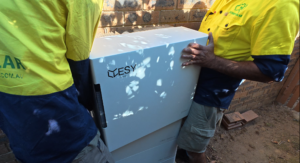
How to Maximise the ESY Sunhome Battery Rebate
The biggest mistake is choosing a battery that is too small just to reduce the upfront price. If your future energy use is likely to increase because of an EV, ducted air conditioning, electric hot water, pool pump or all-electric appliances, it may be smarter to size the system properly from day one.
To maximise the rebate:
- Choose the right battery size upfront.
- Make sure the ESY Sunhome model is eligible.
- Use an accredited installer.
- Ensure the battery is connected to new or existing solar.
- Ask for the rebate amount to be clearly shown on your quote.
- Do not assume every extra kWh gets the same rebate value.
Why a 90kWh ESY Sunhome Battery May Still Make Sense
A 90kWh ESY Sunhome battery is not usually aimed at a typical small household. It is better suited to large three-phase homes, farms, small businesses, EV charging sites, rural properties or households that want serious backup capability.
The key point is this: a larger ESY Sunhome system may still be worth it even if the full capacity does not receive the same rebate support.
For example, a high-usage property may care more about backup power, energy independence, load shifting and reducing grid reliance than simply getting the highest rebate per kWh.
Why Bigger Is Not Always Better
A large battery only works well if the property can actually use it and charge it. If your solar system is too small, a large ESY Sunhome battery may not fill properly, especially during winter or cloudy weather.
That is why battery sizing should be based on your:
- Daytime solar generation
- Night-time usage
- Tariff structure
- Backup requirements
- EV charging plans
- Three-phase power needs
- Future electrification plans
A 90kWh system may be brilliant for the right property, but unnecessary for a standard home with modest energy use.
Final Verdict
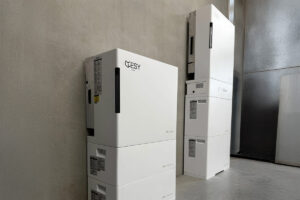
ESY Sunhome offers battery storage from smaller home systems right through to large three-phase systems up to around 90kWh. That gives homeowners and businesses plenty of flexibility.
For most homes, 10kWh to 15kWh will still be the most practical rebate-friendly range. For larger homes, 30kWh may be a better fit. For serious three-phase properties, farms, small businesses or EV-heavy sites, ESY Sunhome’s larger systems up to 90kWh can make sense, but the rebate value needs to be assessed carefully.
FAQs
Is the ESY Sunhome battery eligible for the federal battery rebate?
It may be eligible if the specific model is approved, connected to solar, and installed by an accredited installer. Always confirm eligibility at the time of quoting.
What ESY Sunhome battery size gets the best rebate value?
For many standard Australian homes, the 10kWh to 15kWh range will still be the practical sweet spot. It gives meaningful storage without oversizing the system. For larger homes, all-electric households or EV owners, 30kWh may make more sense. For very high-consumption three-phase properties, ESY Sunhome’s larger systems up to 90kWh can be attractive, but the rebate should not be the only reason to go that large.
Can I add more ESY Sunhome battery storage later and claim another rebate?
Generally, the rebate is intended for one eligible battery system per premises. That means it is important to choose the right size upfront.
Is a bigger ESY Sunhome battery always better?
Not always. A larger battery only makes sense if your solar system can charge it and your home uses enough energy to justify the extra storage.
How do I maximise the ESY Sunhome battery rebate?
Choose the right battery size from the start, confirm the model is eligible, use an accredited installer, and make sure the rebate is clearly shown on your quote.