Transcript
Petrol is up almost 30% and diesel more than 40% since the Middle East war began. Here’s how the fuel shock reaches your groceries and mortgage, what the government can do, and how to protect your household with solar, a battery and an EV.
Petrol Prices Are Skyrocketing – Here’s What Australians Can Do
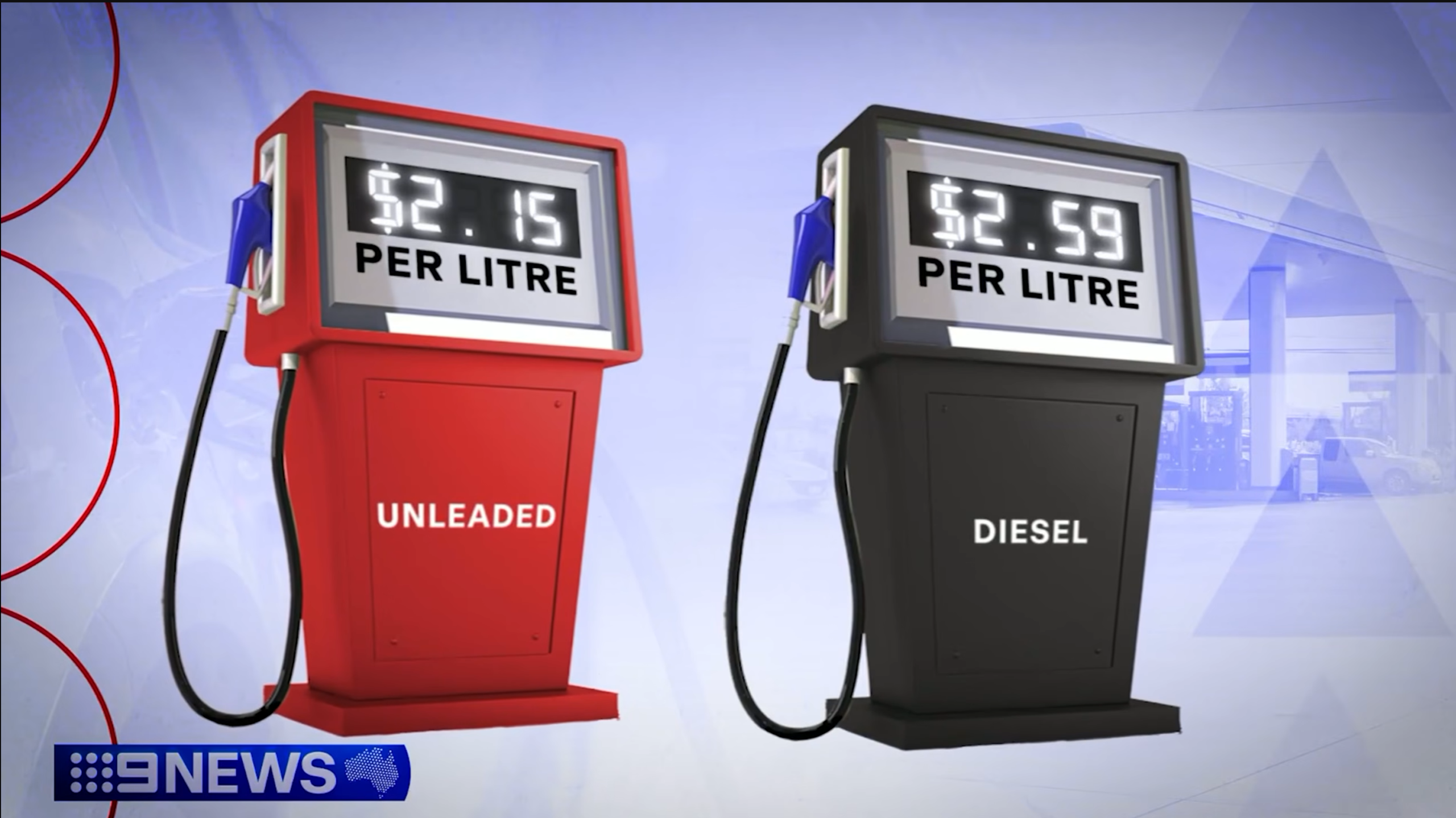
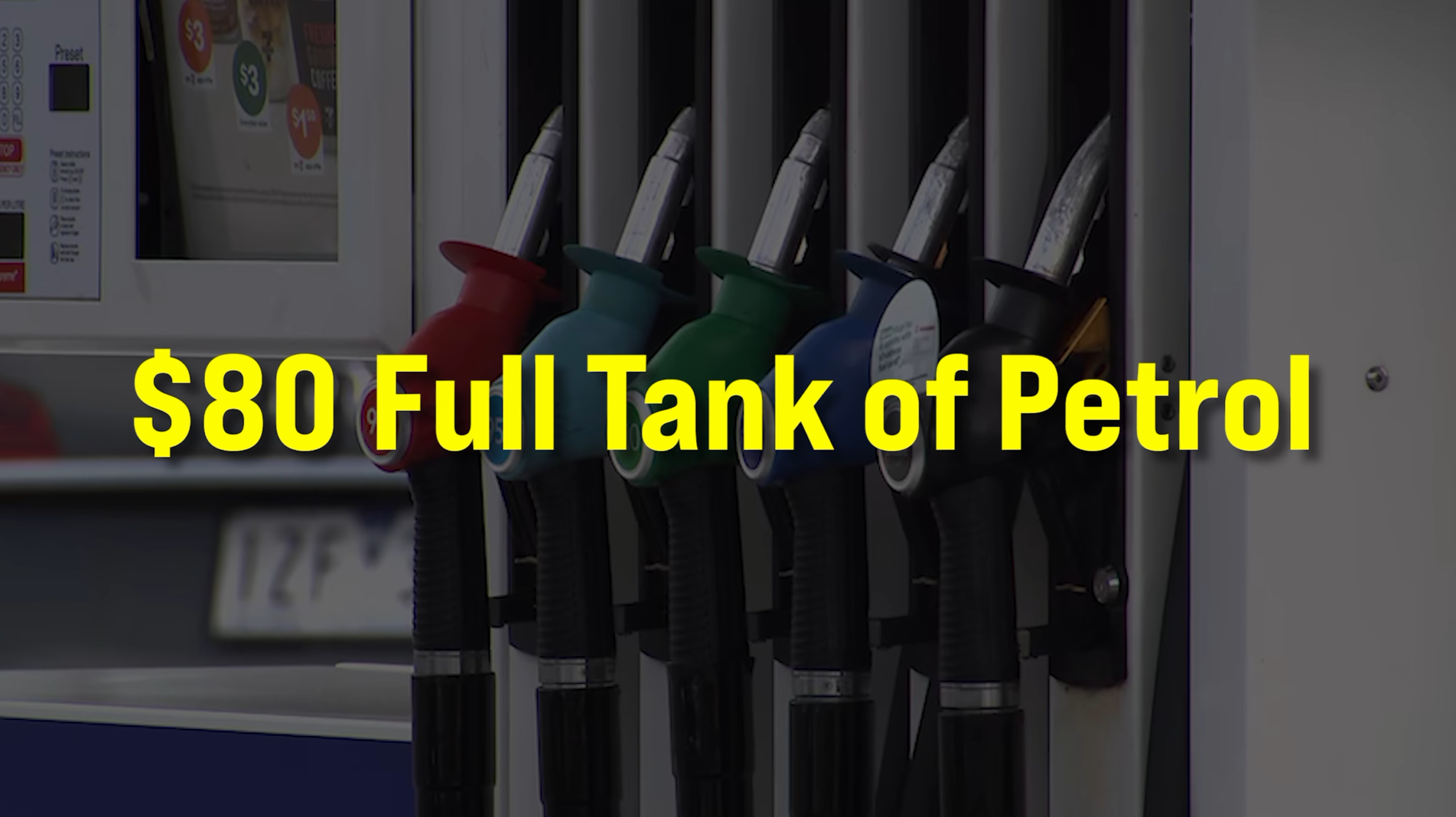
Petrol now costs more than $2.50 a litre in Australia, and diesel is close to $3. A full tank that cost around $80 before the Middle East conflict now runs closer to $130. Petrol is up almost 30% and diesel more than 40%.
This isn’t only about the bowser. Here is how a war far away ends up in your grocery bill and your mortgage repayments, and the one part of the chain you can control.
How Much Have Fuel Prices Risen in Australia?
- Petrol: up almost 30% since before the conflict
- Diesel: up more than 40%
- Extra import costs: Australia has paid about $17 billion more for imported fuel in six months
To put $17 billion in perspective, it is roughly enough to build almost 20,000 homes, land included, at a time when housing affordability is already a crisis.
Why Diesel Matters More Than Petrol
Diesel is the fuel behind almost everything you buy. It moves food, builds houses and runs farms, mines and construction sites.
Take a carton of milk. Feed is trucked to the farm on diesel. A diesel truck collects the milk and takes it to the processor. The plastic bottle is itself an oil-derived product. More diesel trucks carry it to the distribution centre and the supermarket. Every step adds cost, and the shopper pays at the end.
From Fuel Prices to Interest Rates: The Inflation Chain
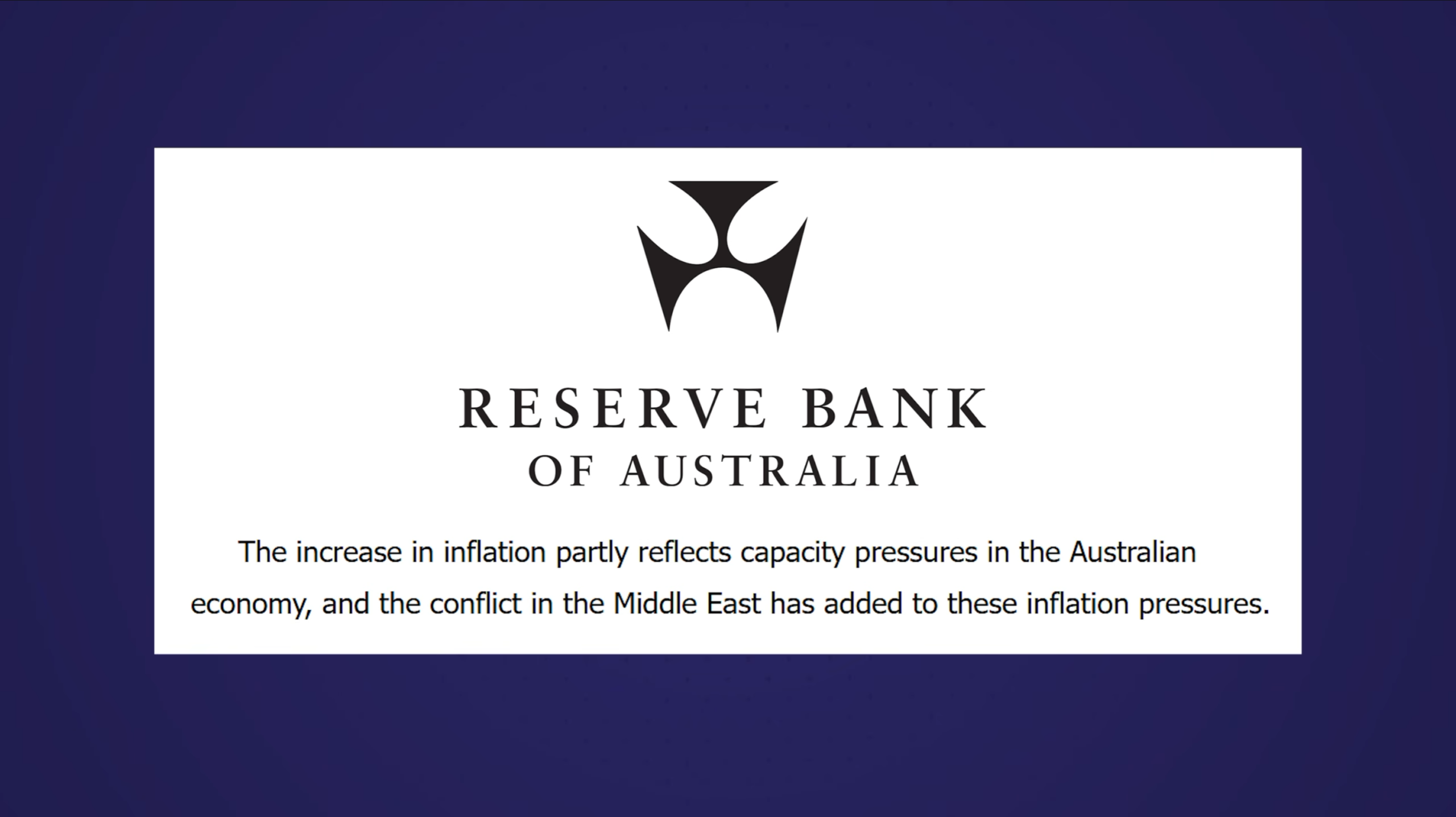
The Reserve Bank says inflation remains elevated partly because of the Middle East conflict. It says the war has pushed up business input costs, which are already showing in:
- Building materials
- Fertiliser
- Housing and construction
- Groceries
The RBA estimates conflict-related costs, excluding the direct petrol price effect, added a little over 0.1 percentage points to inflation in the June 2026 quarter. That sounds small, but central banks fight over tenths of a percentage point.
The risk is a second-round inflation cycle:
- Fuel prices rise
- Freight and product prices rise
- Workers seek higher wages to cover living costs
- Businesses raise prices again
With the cash rate at 4.35% after three rises this year, more increases are possible. For households, that could mean a higher mortgage for longer. Australia’s economy still grew about 0.4% in the June quarter, so the damage so far is contained, but central banks in the US and Japan face the same energy shock, and high government debt adds to the risk.
What Is the Australian Government Doing?
It would be unfair to say nothing is happening. Australia has called repeatedly for de-escalation. The Prime Minister joined talks involving 49 affected countries in April, welcomed the temporary US-Iran agreement in June, and has spoken directly with President Trump and other leaders.
The better question is whether Australia could do more. With a campaign under way for a UN Security Council seat, this is a real test. Australia could work with India, Japan, Indonesia and European nations, which all want an end to the conflicts in Iran and Ukraine.
The Bigger Debate: Alliances, Autonomy and Armed Neutrality
For more than 70 years, the US alliance has anchored Australian foreign policy. The benefits are real: intelligence sharing, advanced defence technology, strategic deterrence and AUKUS. Two-way investment is estimated at over $3 trillion.
But alliances are strategic arrangements, not religions. They should serve both sides. The fuel shock exposes a cost that rarely gets attention: what happens when an ally’s decisions land an economic bill on your country?
Australia has three broad paths:
| Path | What you gain | What you risk |
|---|---|---|
| Deepen the alliance as it stands | Deterrence and technology | Exposure to decisions made in Washington |
| Keep the alliance but demand more say | Influence over how Australia is drawn into US strategy | Friction with the ally |
| Armed neutrality (the Swiss model) | Independence | Some loss of protection |
Sweden’s 2024 move into NATO shows foreign policy models aren’t permanent. Switzerland shows neutrality doesn’t mean weakness. An Australian version would involve a strong navy and air force, domestic fuel security and manufacturing, and trade with everyone. No option offers all the upside with none of the risk.
How to Protect Your Household From Oil Price Shocks
You can’t end a war, set the cash rate or reopen the Strait of Hormuz. You can, however, take one piece of your cost of living out of other people’s hands: the energy powering your home.
- Rooftop solar generates your own electricity
- A home battery stores it for the evening
- An electric vehicle charged from your own panels replaces the bowser
None of this stops fuel prices from moving. It means that when the next shock hits, and one always does, a part of your budget no longer moves with it. Keep the V8 if you love it; the point is control, not politics.
Where to Start
- Get honest solar and battery quotes from vetted installers. Your Energy Answers’ installer network includes over 45 installers across Australia, with no pressure sales.
- Check your electricity plan. Compare options with Automised Energy, which searches over 10,000 plans nationwide.
- Use the calculators and tools at yourenergyanswers.com.
Frequently Asked Questions
How much have petrol prices risen in Australia?
Petrol is up almost 30% and diesel more than 40% since before the Middle East conflict, with petrol above $2.50 a litre.
Why does the fuel price affect groceries?
Diesel powers the trucks, farms and machinery in nearly every supply chain, so higher diesel costs flow into the price of food and goods.
Will petrol prices affect interest rates?
They can. The RBA has said conflict-related cost pressures are feeding inflation, and persistent inflation makes rate cuts less likely and further rises possible.
Can solar panels and an EV protect me from fuel price rises?
They cut your reliance on petrol and grid electricity. Savings depend on your home, usage and local prices, so get quotes before you commit.
What can Australia do about global fuel prices?
It can push for de-escalation diplomatically, build domestic fuel security and diversify its strategic partnerships, but it can’t control global oil markets directly.