The Mobile EV Charging Revolution: How Alpine Energy Solves Australia’s Range Anxiety
Range anxiety remains one of the largest psychological and logistical hurdles to electric vehicle (EV) adoption across regional Victoria, New South Wales, and broader Australia. While city centres enjoy expanding charger networks, long-distance corridors face significant vulnerabilities, including headwind energy drain, broken public chargers, and localised grid outages.
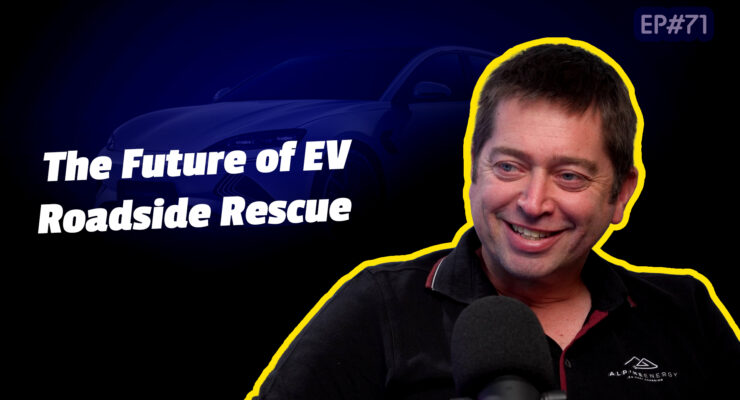
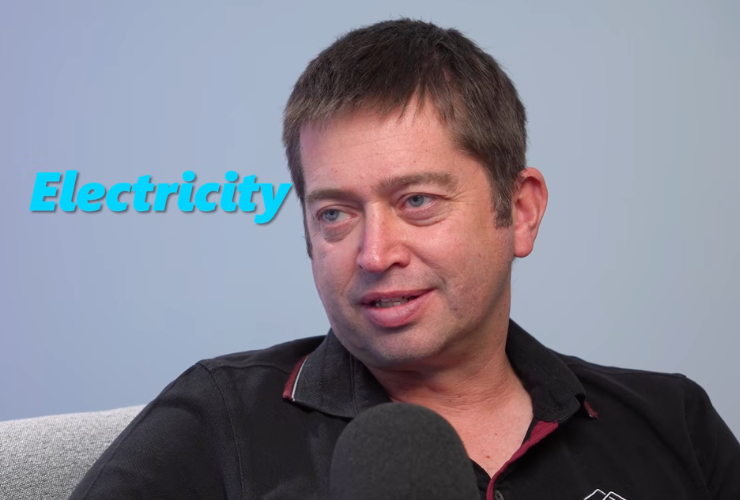
Alpine Energy, founded by chartered electrical engineer Marc Wechsler, introduces a ground-breaking solution: lightweight, vehicle-to-vehicle (V2V) mobile fast charging that delivers range directly to stranded motorists.
The Problem: Why Australian EV Infrastructure Needs a Mobile Safety Net
Unlike petrol cars—where a stranded driver can receive five litres of fuel from a roadside assistance van—a flat EV traditionally requires a towing flatbed, costing upwards of $250 and taking hours.
Public charging infrastructure across rural Australia also faces critical reliability bottlenecks caused by interoperability issues:
Multi-system dependencies: A single charger failure can stem from cellular network outages, faulty tap-and-go payment gateways, app connection errors, or depleted local battery buffers.
Peak travel surges: Holiday weekends and long-distance travel routes regularly create multi-hour queues at isolated rural charging hubs.
Extreme environmental factors: High ambient heat (40°C+ days), running max air conditioning, headwind resistance, or cold snaps drastically reduce real-world range compared to factory estimates.
How V2V Charging Works: Tapping the Donor Vehicle
Rather than hauling 500 kilograms of heavy secondary battery packs in the back of a ute—which increases tyre wear, drains energy, and reduces payload—Alpine Energy’s mGen technology uses a lightweight, vehicle-agnostic architecture.
Key Technical Specs
Donor Power Supply: Uses plug-in hybrid electric vehicles (PHEVs) like the BYD Shark. The vehicle’s internal petrol-electric generator recharges the donor battery on demand, allowing up to 20+ rescues per tank.
Charge Speed: Delivers a 40 kW DC fast charge, adding roughly 65 km of range in 15 minutes.
System Weight: Weighs just 60 kg, preserving full bed space for tools, equipment, or emergency gear.
Security & Safety: Built with EXOR Oceania cyber-secure hardware, Ampenex power components, full road-vibration proofing, and strict compliance with Australian CCS2 standards.
Service Comparison: Mobile V2V vs. Standard Recovery Methods
| Feature | Flatbed Tow Truck | Car-to-Car AC Trickle | Alpine Energy mGen V2V |
| Charge Speed | N/A (Relocates vehicle) | ~2 kW (AC) | 40 kW (DC Fast Charge) |
| Time Spent on Site | 45–90+ minutes | 4–6 hours | 15 minutes |
| Added Hardware Weight | Heavy tow bed | Standard cable (0 kg) | ~60 kg retrofitted unit |
| Donor Battery Impact | High fuel consumption | Severely drains donor EV | Self-replenishing via PHEV generator |
| Consumer Experience | Inconvenient & costly | Impractical delay | Rapid emergency range top-up |
Primary Applications: Beyond Roadside Assistance
While roadside motoring clubs like the NRMA, RACV, and RACQ represent the immediate market for Alpine Energy, mobile V2V technology serves critical roles across several industries:
1. Grid Resilience & Disaster Recovery
During major storm events, bushfires, or multi-day regional blackouts, fixed charging infrastructure goes offline. Mobile V2V units act as dispatchable emergency generators, charging stranded vehicles or backing up critical infrastructure like service stations, supermarkets, and telecom towers.
2. Maritime Ports & Import Logistics
Thousands of new EVs arrive at Australian shipping ports with near-zero state of charge. Mobile units provide instant power on the pier so vehicles can be offloaded and staged without blocking port operations.
3. Fleet Management & Mining Operations
Subsurface and remote mining sites utilising electric heavy vehicles can deploy compact mobile chargers to service machinery in the field without building permanent high-voltage substations.
Commercialisation and the Future of Australian Cleantech
Supported by energy accelerators such as Sydney-based EnergyLab, alongside grant funding applications through ARENA, CSIRO, and Austrade, Alpine Energy represents a key shift in Australian-engineered cleantech.
As state governments push for harmonised payment standards—like New South Wales’ mandate for universal credit card tap-and-go access at fast chargers—mobile energy delivery fills the gaps in fixed infrastructure. By transforming rescue utility vehicles into mobile power banks, V2V fast charging provides the ultimate safety net needed for full transport electrification.