A history lesson from someone who was there
Long before solar panels were thrown in the back of a ute, they cost $1,500 each, and one micro-crack could ruin your week. Sue Neill was there from the beginning.
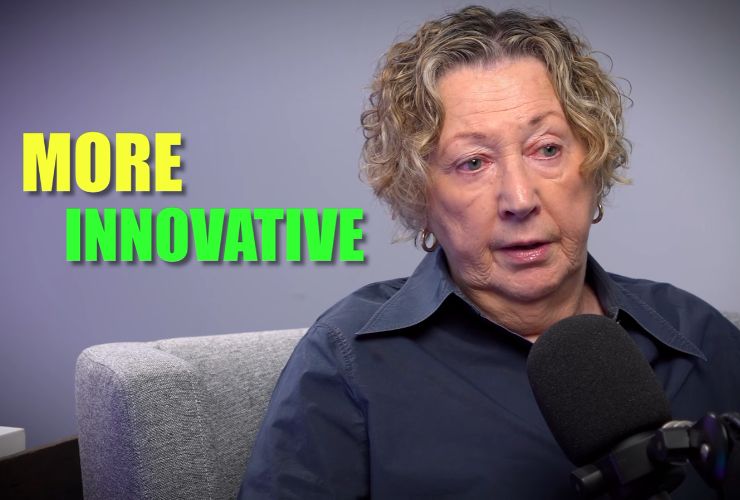
In this episode, Markus sits down with Sue, one of the first women in Australian renewables and his first boss in the industry. Sue’s family was powering remote Australia generations before “off-grid” was a lifestyle choice. Her grandfather helped build the Windlight wind generator, which was sold around Australia and later overseas. Sue went on to design and install some of the country’s earliest stand-alone solar systems, sold her business to German renewables giant Conergy, and co-founded the training organisation that became GSES.
Together they look back at the early days of Australian solar: the first rebates, the cowboy era, the rise and fall of Conergy, the flood of cheap inverters, and the people who built the industry. They also ask what Australia still hasn’t got right, from panel and battery recycling to smart grids that share the benefits of solar with everyone.
Part history lesson, part trip down memory lane, and full of stories you won’t hear anywhere else.
Powering the bush
Sue’s connection to off-grid power goes back generations. Her grandfather worked with Lloyd Dunn to build the Windlight wind generator, at a time when people in the bush relied on petrol generators, petrol stoves and gas lighting. By the 1980s, most solar in Australia was off-grid. Connecting to the network could cost around $10,000 a kilometre, and even some Sydney suburbs, like Berowra Waters, still had no mains power. Sue sized each system by hand, working out a household’s load and making sure the batteries could last five days of bad weather. These systems were never set and forget, and owners had to learn how their power worked.
Rebates and the first boom
Remote area power rebates helped many people afford a proper system, and Sue argued that only a meaningful subsidy would deliver one. Later, the Howard government’s $8,000 rebate changed everything for homes on the grid. Before it, a mail drop of 10,000 brochures brought in just two phone calls. After it, the market took off. Around the same time, German company Conergy, flush with around $2 billion from the stock market, bought Sue’s business as part of a global buying spree. In Australia, it tried to do too much at once, and a costly solar hot water venture tied up the money needed to stock the booming solar market.
Better panels, rough installs and cheap gear
Panels went from 144 watts and close to $1,500 each to well over 500 watts at a fraction of the price, helped by UNSW research. But the industry had growing pains. Electricians trained in AC had to learn DC safety and standards from scratch, and Markus’s own first system had “solar” written on the cable in pen. Inverters failed after a few summers on hot walls, very cheap imports flooded in, and around 2010 many companies closed under the weight of warranty claims.
Raising standards with GSES
Sue and three other industry veterans set out to lift standards through training. The original plan was to train installers overseas on quality Australian-made equipment and build export markets. That didn’t work as hoped, because developing countries depend on loans and aid. Instead, GSES founder Geoff Stapleton built a training and industry body in South-East Asia, giving lenders confidence that projects will be done properly, and helping bring light to communities where it lets children read and people work after dark.
What Australia still needs to fix
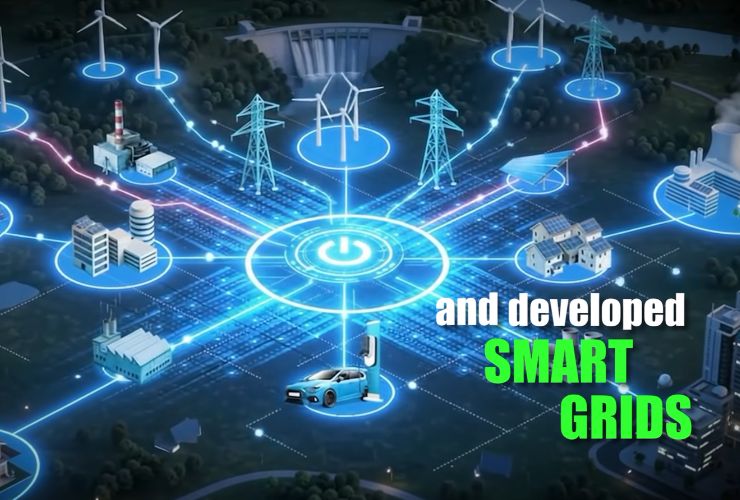
Millions of panels have gone to landfill even though almost all of a panel can be recovered, and a government recycling trial has stalled. With a large battery rebate now in place, Markus argues some of that money should build a recycling industry for solar and batteries. Sue believes Australia missed the chance to build smart grids that share the benefits of solar and balance demand automatically. They also question building solar farms far from cities, when rooftops with batteries sit right where power is used.
Then and now
Today, Sue’s apartment building uses rooftop solar for common areas and EV chargers, and she drives an electric car. Looking back, they trace the industry’s roots to community-minded pioneers like Rainbow Power Company in Nimbin, and reflect on how China saw the potential and ran with it. The episode ends with favourite memories, including an “unbreakable” panel that shattered at a boat show and three wind turbines in Marrickville that the neighbours couldn’t stand.
About Sue Neill
Sue Neill is one of the pioneers of the Australian solar industry. She joined her family’s power business in the mid-1980s, bringing a background in maths and modern languages from her earlier work as a bilingual office manager for a Belgian mining company.
She built the business into a major off-grid and solar supplier, distributing BP Solar modules and designing remote area power systems across Australia. After the business was acquired by Conergy, she helped lead the company’s Australian operations through the first residential solar boom.
Sue was also one of the founders of the training organisation that became GSES, which has worked to raise installation standards in Australia and the region. Today she lives in an apartment building with rooftop solar powering its common areas and EV chargers, and she drives an electric car.