The battery rebate is shrinking. Here’s what to do before you buy.
You’re looking at a home battery and you keep hearing the rebate is about to be cut. Short answer: Australia’s federal battery rebate drops on 1 January 2027 and that part is locked in. Treasury is reportedly looking at more cuts before the December budget update. Nobody has said it’s ending.
Our take: don’t panic buy. Pick the right size, pick a brand that will still be here in ten years, and get quotes from local installers now, before the January step.
The four numbers that tell the story
- $2.3b to $7.2b. What the program was budgeted to cost at launch, and the estimate five months later.
- 600,000+. Home batteries installed under the rebate since 1 July 2025.
- 2.43 GWh. Batteries registered in April 2026, the biggest month on record. June was 1.07 GWh.
- $2,720 to $2,280. Rough rebate on a 10 kWh battery now, and from 1 January 2027.
How the maths went wrong
The government got the sums wrong. Then did it again.
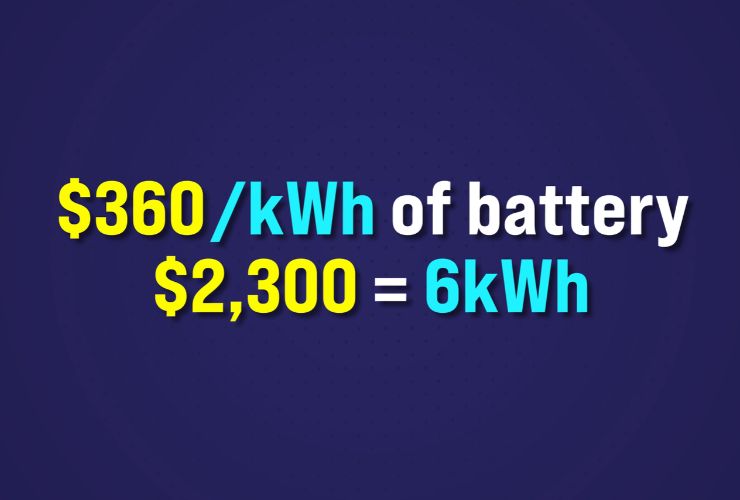
The Cheaper Home Batteries program started on 1 July 2025 with $2.3 billion and a target of a million batteries by 2030. Grab a napkin. That’s about $2,300 a home. At roughly $360 a kilowatt hour, $2,300 pays for about 6 kWh. Picture half a Tesla Powerwall. That’s what the budget assumed people would buy.
Now the annoying bit. The rebate didn’t stop at 6 kWh. It paid on every kilowatt-hour up to 50, so a 50 kWh battery pulled about $18,000 from the taxpayer. With no income test and installers who could add a couple of stacks on the same visit, people went big.
| Size | |
|---|---|
| What the first budget assumed | 6 kWh |
| What most homes use on a hot day | 15 to 25 kWh |
| Average battery registered, April 2026 | 44 kWh |
Budget figure: $2.3b divided by 1 million batteries at about $360 per kWh.
By December 2025 the government’s own budget papers had the cost revised up by $11.6 billion. Rule changes clawed back $6.7 billion, which is how you land on an estimated $7.2 billion over four years.
The fix that started a stampede
The new rules were sensible. The rebate now tapers as the battery gets bigger:
| Battery size | Share of the per kWh rebate |
|---|---|
| First 14 kWh | 100% |
| 14 to 28 kWh | 60% |
| 28 to 50 kWh | 15% |
From 1 May 2026.
The catch was the timing. The change was announced in December and didn’t start until 1 May. So the whole country heard one thing: the giant battery deal ends 30 April. Think Boxing Day sales, for four months straight. Crews worked seven days. Everyone hired.
| Month | Home battery capacity registered |
|---|---|
| April 2026, the last month of the old rules | 2.43 GWh |
| May 2026 | 1.51 GWh |
| June 2026 | 1.07 GWh |
Late registrations can lift a month after the fact.
Fair is fair: smaller, sensible batteries are what the change was meant to deliver, and the average size came down from 44 kWh in April to about 26 kWh in June. That part worked. The trouble sits with the businesses that staffed up for April and then watched April disappear.
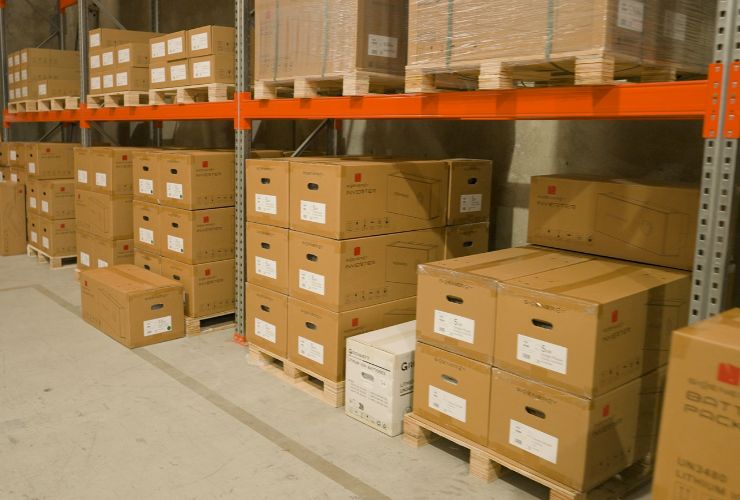
Why there are batteries sitting in sheds
Factory to garage wall takes about four months: six to eight weeks on the water, then the distributor’s warehouse, then the installer. So when the rules changed, the batteries for the April rush were already made, packed and on their way. The ships kept coming. The customers didn’t.
Batteries don’t sit still either. Left on a pallet they slowly drain, and if they drain too far the warranty can be at risk. We’re hearing from people in the trade that some distributors are paying staff to unpack stock and top it up by hand every few months.
How sure are we? The oversupply talk is widely reported. The hand recharging is what installers and distributors tell us, and we haven’t seen it ourselves yet.
For you, the upside is plain. Stock is plentiful and battery pricing is sharp right now.

Will your battery brand still be here?
Dozens of inverter and battery brands came to Australia to chase the rebate. A smaller market won’t feed all of them, and the exits have started. If your brand packs up, ask who handles the warranty and who pushes the software updates.
- RedEarth. The Brisbane battery maker went into voluntary administration.
- SMA. Pulled out of the Australian home and commercial market to focus on large projects.
- SolarEdge. Closing local sales and operations. Warranty support moves to its international call centre.
- sonnen. Filed for insolvency in Germany two months after Shell sold it.
And when a battery or panel does reach the end, Australia still has no national recycling trial. The $24.7 million solar panel pilot, with up to 100 collection sites, was suspended in May after one complaint about the tender and cancelled on 10 November with no contract awarded.
What happens next
- 1 Jul 2025. Rebate starts. $2.3 billion, a million batteries by 2030.
- 13 Dec 2025. Budget lifted to an estimated $7.2 billion. Size tiers announced for May.
- Apr 2026. Record month. 2.43 GWh registered as buyers race the deadline.
- 1 May 2026. Tiers begin. Full rebate on the first 14 kWh only.
- Nov 2026. 600,000 batteries passed. Treasury is reported to be preparing options to scale the program back.
- Dec 2026. Mid year budget update (MYEFO). This is where any further change would show up.
- 1 Jan 2027. Scheduled step down. The base rate falls about 16%, with another cut due 1 July 2027.
Three ways it could be tightened
Reports say the options in front of Treasury include a lower upfront discount and tying the rebate to a virtual power plant. Here’s how we read the choices.
- VPP or nothing. You only get the rebate if your battery joins a virtual power plant, so the grid can call on it when things get tight. Western Australia’s scheme already works that way. It isn’t popular, but it ties the money to the reason the money exists.
- A means test. Right now a harbourside millionaire gets the same rebate as a nurse in Penrith, and renters get nothing.
- Faster step downs. Cut the rate more often and stretch the budget further.
Our take: any of those, done with proper notice, the industry can live with. The one that does real damage is another surprise with a hard deadline. We don’t think the rebate gets scrapped. Coal plants are closing, solar floods the grid at midday, and at 6 pm something has to fill the gap. 600,000 home batteries are part of that answer.
What we’d do if we were buying now
- Don’t panic. The rebate drops on 1 January. It doesn’t end. Anyone telling you they know it’s ending is guessing.
- Buy the right size, not the biggest. For most families that’s well under 40 kWh. We’d look at 20 to 30 kWh, which also sits well with the new tiers.
- Pick a brand with local staff and years in the market. SolaX, Sigenergy and SAJ are the battery brands on our Recommended list.
- Get a few quotes from local installers who’ve been around and know your area. Good ones may already be booked past Christmas, so ask about dates.
Don’t buy cheap. Go quality. Go local.
Then make the right decision, once. We’ll put you in touch with an installer we’ve picked.