How to Find the Cheapest Electricity Plan in Australia
Finding the cheapest electricity plan in Australia sounds simple. Compare a few usage rates, check the daily supply charge and select the company advertising the largest discount. Unfortunately, electricity plans have become far more complicated than that.
Depending on your location, meter setup, solar system, controlled load and electricity usage, you may have hundreds of plan variations available. Each can include different peak, shoulder and off-peak rates, demand charges, feed-in tariffs and daily connection fees.
A plan that saves your neighbour money could therefore cost you more. Automised Energy is an independent Australian platform designed to address this problem. Instead of estimating your electricity costs using the average household, it analyses how and when you actually use electricity.
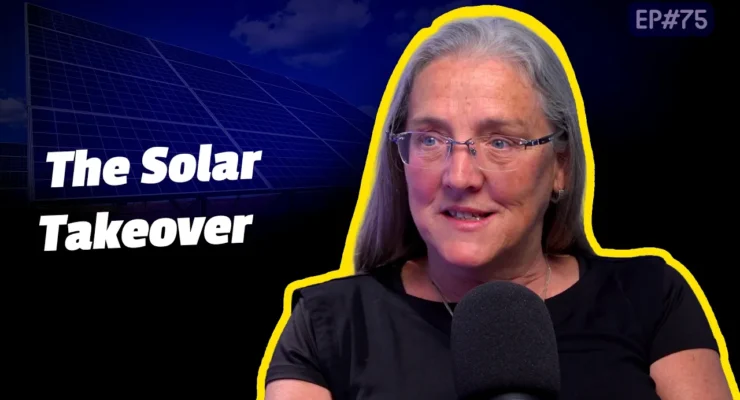
According to Automised Energy founder Matt Peterson, the platform can compare a household’s previous 12 months of electricity usage against the plans available at that address. The goal is to identify the plan that best matches the customer’s real consumption pattern—not an assumed one.
Why Comparing Electricity Plans Is So Difficult
Electricity retailers frequently promote plans using headline discounts or attractive feed-in tariffs. However, these numbers rarely tell the complete story.
Your final bill can be affected by:
- The daily supply charge
- General electricity usage rates
- Peak, shoulder and off-peak periods
- Solar feed-in tariffs
- Controlled-load charges
- Demand tariffs
- Free electricity periods
- Special conditions and introductory offers
The cheapest electricity plan for a household that consumes most of its energy during the day may be very different from the best plan for a family that uses most of its power after sunset.
Solar households face an additional complication. A high feed-in tariff may appear attractive, but the same plan could include higher usage rates or a much higher daily supply charge. This makes it difficult to determine the true annual cost by looking at one or two advertised rates.
How Automised Energy Compares Electricity Plans
Automised Energy uses electricity consumption data supplied by a customer’s retailer through Australia’s Consumer Data Right framework. Customers authorise access to their data, allowing the platform to examine their historical electricity usage. Automised Energy then models that consumption against the plans available for their property.
During the Your Energy Answers interview, Peterson explained that the platform replays the previous 12 months of electricity usage in 30-minute intervals across each applicable plan.
This means the calculation can account for:
- When electricity was imported from the grid
- How much solar electricity was exported
- Controlled-load consumption
- Time-of-use pricing
- Demand charges
- Daily supply fees
- Other relevant tariff conditions
Automised Energy says it processes approximately 17,000 Australian electricity-plan variations each night so its comparison data remains current. The number of plans relevant to an individual household will be smaller and will depend on the property’s location and meter configuration.
How Much Could You Save by Changing Electricity Plans?
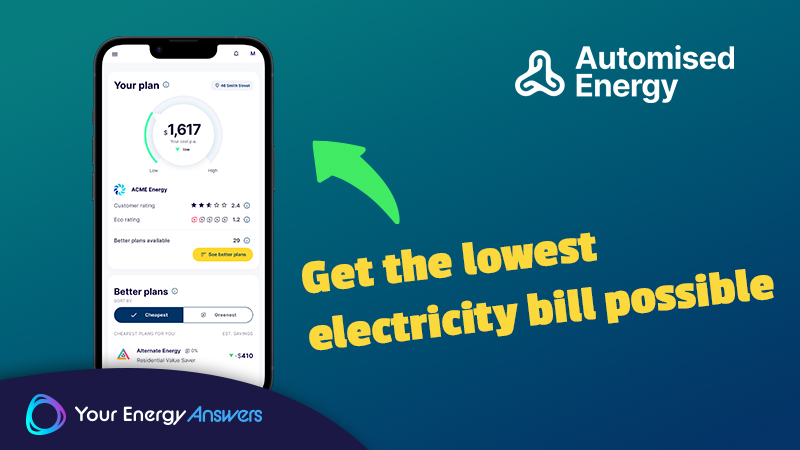
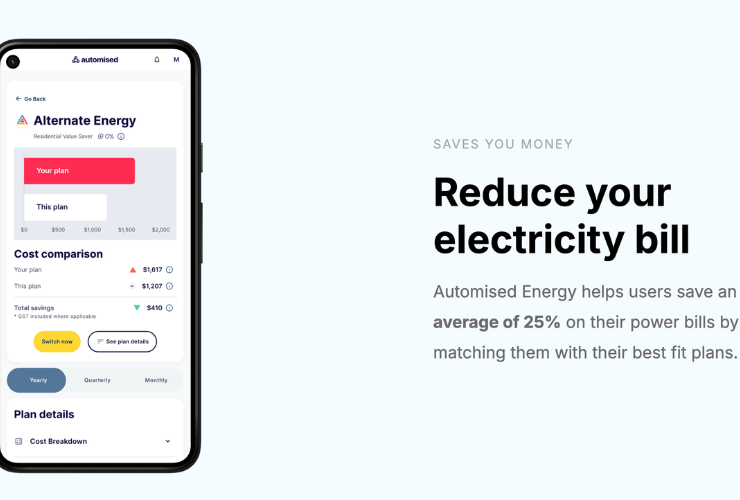
In the interview, Peterson said Automised Energy was identifying average potential savings of approximately $400 per year among its users. He also said annual savings of more than $1,000 or $1,500 were not unusual, while some larger electricity users had identified potential savings exceeding $3,000.
These figures should not be treated as guaranteed savings. Your result will depend on:
- Your current electricity plan
- Your location
- Your annual electricity consumption
- When you use electricity
- Whether you have solar
- Your meter and tariff configuration
- Which retailers operate in your area
Some customers may discover that they are already on the most suitable plan. Peterson said the platform also reports this result rather than recommending an unnecessary switch.
Why the Cheapest Usage Rate May Not Produce the Cheapest Bill
A common mistake is selecting an electricity plan based only on its cents-per-kilowatt-hour rate. Consider two hypothetical plans. Plan A has a relatively low general usage rate but a high daily supply charge. Plan B has a slightly higher usage rate but a much lower daily fee.
A low-usage household may be better off with Plan B because the supply charge represents a larger percentage of its bill. A high-consumption household may benefit more from Plan A.
The same issue applies to solar feed-in tariffs. A plan offering a higher export payment may charge considerably more for electricity imported at night. The only reliable way to compare these plans is to calculate the complete cost using the household’s actual imports, exports and usage times.
Is Automised Energy Independent?
Automised Energy says it does not receive commissions from electricity retailers. Its business model is based on an annual customer subscription rather than referral payments from energy companies. This is an important distinction. Many commercial comparison websites only display plans offered by participating retailers. They may also receive a payment when a customer changes to a particular provider.
That does not automatically mean their recommendations are unsuitable. However, consumers should understand how a comparison service is paid and whether it examines the entire available market. Automised Energy positions itself as working for the electricity customer rather than the retailer.
How Much Does Automised Energy Cost?
At the time of the interview, an Automised Energy subscription cost $50 per year. Users could initially connect their electricity data and see whether a significant potential saving had been identified. When the calculated saving exceeded the platform’s stated threshold, the specific plan details were made available to subscribers.
Peterson said the service considered a saving above $250 per year to be a significant result. Subscribers also received regular reassessments rather than a single comparison. The system checked for changes in electricity prices, newly released plans and changes in the customer’s consumption pattern.
Customers should check Automised Energy’s current website for its latest pricing, subscription conditions and service availability before joining.
Why Electricity Plans Need to Be Checked Regularly
Finding a good electricity plan today does not mean it will remain competitive. Retailers can change their prices, adjust feed-in tariffs or move customers onto different rates. New offers can also enter the market.
Your own electricity use may change after:
- Installing an air conditioner
- Buying an electric vehicle
- Adding solar panels
- Installing a home battery
- Working from home
- Welcoming a new family member
- Replacing gas appliances with electric alternatives
Automised Energy reassesses subscribed customers regularly and can notify them when a different plan appears better suited to their updated consumption.
The platform does not automatically switch the account without the customer’s involvement. In the process described during the interview, it helps prepare the information needed to request the change from the selected retailer.
Can Renters Use Automised Energy?
Yes. Renters who hold and pay the electricity account can potentially use the service. Unlike rooftop solar or a home battery, changing electricity plans does not normally require a property owner to purchase new equipment.
This makes electricity-plan optimisation one of the more accessible ways for renters to reduce their energy costs. A renter’s result will still depend on the available retailers, the property’s meter setup and their personal usage pattern.
Can Small Businesses Compare Their Electricity Plans?
Automised Energy can also assist eligible small businesses. Business electricity bills can be especially difficult to compare because consumption patterns vary significantly between industries.
A café, office, workshop, retail store and refrigerated food business may all use similar annual amounts of electricity but consume that energy at very different times.
During the interview, Peterson said the platform catered to small customers consuming up to 100 megawatt-hours of electricity annually. Small-business owners should confirm the platform’s current eligibility criteria before relying on this figure.
Is It Safe to Share Your Electricity Data?
Automised Energy accesses customer data through Australia’s Consumer Data Right system. The Consumer Data Right allows eligible consumers to authorise accredited businesses to access certain data held by participating service providers.
Peterson said Automised Energy must comply with prescribed information-security and privacy requirements to participate in the system. The company’s founder also has a background in banking technology, where similar data-sharing and security frameworks have been used.
Customers should still read the company’s current privacy policy and terms before granting access.
Does Automised Energy Work for Homes With Solar and Batteries?
The platform accounts for solar imports and exports when comparing electricity plans. This is particularly important because a solar household should not necessarily select the plan with the highest advertised feed-in tariff.
A household battery introduces further considerations. Some battery owners may benefit from plans with:
- Free daytime electricity periods
- Very low overnight charging rates
- Higher peak export payments
- Virtual power plant incentives
- Dynamic or wholesale electricity pricing
In the interview, Peterson discussed future “what-if” modelling that could estimate how adding solar, a battery or another major appliance might change a customer’s bill and recommended plan. Customers should confirm which of these modelling tools are currently available, as product features can change.
Who Can Currently Use Automised Energy?
At the time of the recorded interview, Automised Energy was concentrating on customers in:
- New South Wales
- Victoria
- The Australian Capital Territory
Peterson explained that expansion requires the platform to integrate the tariff structures used by different electricity distribution networks. Service availability may have changed since the interview. Check the current Automised Energy website before registering.
Is Automised Energy Worth Considering?
Automised Energy may be useful for households and small businesses that:
- Have not compared their electricity plan recently
- Find time-of-use tariffs confusing
- Have solar or a controlled-load meter
- Want a comparison based on actual consumption
- Do not want recommendations influenced by retailer commissions
- Want their plan reassessed as rates and usage change
Its greatest advantage is personalisation. Instead of declaring one electricity retailer the cheapest for everyone, the platform recognises that the best plan depends on the individual property.
For consumers facing rising living costs, reducing an electricity bill without purchasing new equipment may be one of the easiest savings opportunities to investigate.
The Bottom Line
Australia’s electricity market gives consumers plenty of choice, but that choice has created considerable complexity. Comparing only the headline usage rate or feed-in tariff can produce the wrong result. The best electricity plan is the one that delivers the lowest total cost after your actual consumption, exports, tariffs and supply charges have been considered.
Automised Energy attempts to complete this calculation automatically. By modelling real household data against the plans available at a specific address, it can show whether a customer is likely to save by switching—or confirm that their current plan is already competitive.
For Australians who do not have the time or technical knowledge to analyse hundreds of tariff combinations, that personalised approach could make finding a better electricity plan considerably easier.